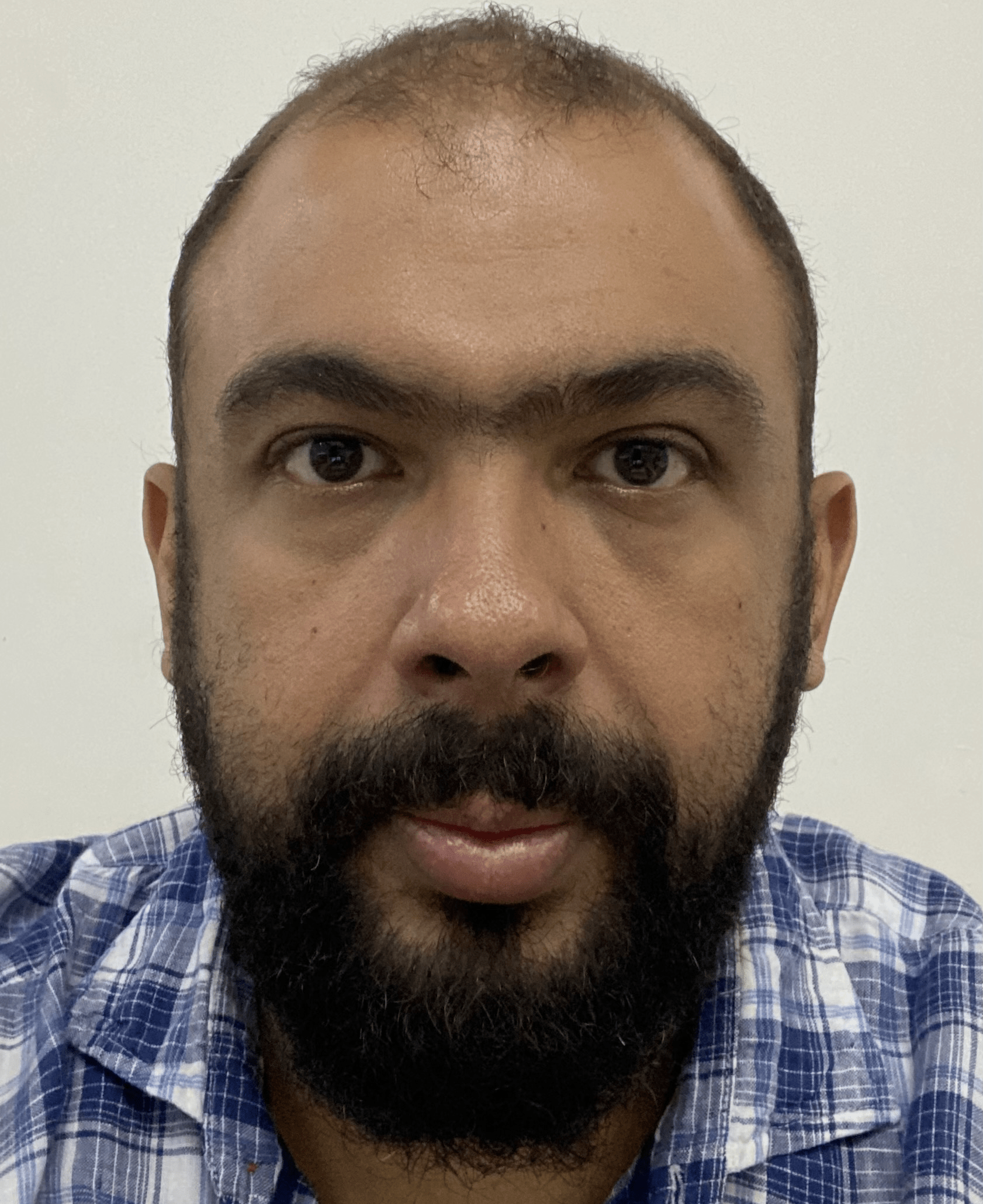
He is an Associate Professor in Hydrodynamics at the Department of Naval and Ocean Engineering of the Polytechnic School of the Federal University of Rio de Janeiro and at the Ocean Engineering Program of COPPE/UFRJ. He received his Ph.D. in Ocean Engineering from the Federal University of Rio de Janeiro in 2016, after completing his M.Sc. in Ocean Engineering (2005) and B.Sc. in Naval Engineering (2001) at the same institution, and currently coordinates the Wave and Current Laboratory (LOC) while serving as a researcher at LABOCEANO. He has held several international leadership positions, including membership in the International Towing Tank Conference Quality Committee (2011–2024), the International Ship Structures Congress Structural Integrity Committee (2024–present), Deputy Director of Brazilian Society of Naval Engineering (2023–2024), and Vice-Chairman of the Ocean Thermal Energy Association for Europe and the Americas (2024–present).