
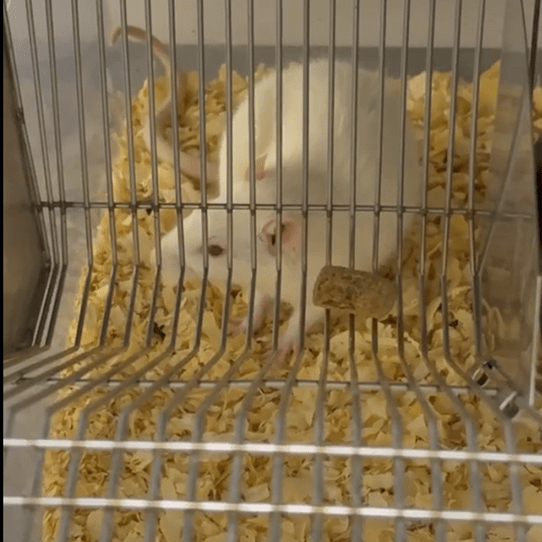
Imagine waiting for your favourite meal, only to be told moments before receiving it that it will be delayed. When it finally arrives, does it taste better than usual, or do you simply eat more of it? This seemingly simple question lies at the heart of a growing line of research on Binge Eating Disorder (BED), an eating disorder that has received increasing scientific attention in recent years, but whose underlying mechanisms are still not fully understood. A new study conducted at Universidad Abierta Interamericana and published in Behavioural Processes explores precisely this: how frustration caused by the delay of an expected reward may not only increase how much we eat, but also fundamentally alter how pleasurable we find it.
The frustration factor in binge eating
Binge Eating Disorder is characterised by recurrent episodes of consuming unusually large amounts of food within a short period of time, often without physiological hunger driving the behaviour. These episodes are triggered not only by hunger states, but also by negative emotional states, particularly frustration.
Frustration can be understood as an emotional response that arises when an expected reward is reduced or directly omitted. In everyday life, people constantly compare what they expect to obtain with what they actually receive, and this comparison gives rise to emotional and behavioural responses.
For example, a person may feel frustrated if they expect to enjoy food and it is not available at the expected moment, while another person may experience the same situation with indifference, depending on their prior expectations and experiences. This type of emotional state not only influences subsequent behaviour, but can also modify how foods are experienced, increasing their hedonic value and the pleasure associated with their consumption. This is precisely what the Frustration-Induced Binge Model (FIB), developed by this research team, aims to investigate.
Two motivational systems: Wanting and liking
To understand why frustrated subjects may show excessive consumption, it is useful to distinguish two fundamental motivational components: wanting and liking.
Wanting refers to the impulse or desire to obtain a reward; it is the anticipatory force that drives behaviour towards it. Liking, in contrast, refers to the sensory pleasure experienced during consumption — the hedonic response that makes eating feel enjoyable.
These two systems are neurobiologically distinct. Wanting primarily depends on dopaminergic brain circuits, whereas liking is associated with GABAergic, opioid and endocannabinoid systems. Importantly, both processes can be dissociated: a person may strongly desire something without necessarily experiencing greater pleasure when obtaining it. This distinction is particularly relevant for understanding binge eating, where excessive consumption may reflect an increase in wanting, liking, or both components. This growing understanding of the brain’s reward mechanisms complements other neuroscience research examining how the brain transforms neural activity into conscious experience.
Previous studies using the FIB model have shown that frustrated rats significantly increase their intake of a sucrose solution following a temporary omission of the reward. However, it remained unclear whether this effect was driven by increased wanting, enhanced liking during consumption, or a combination of both mechanisms.
Reading pleasure from licking patterns
To address the liking component, the microstructure of consummatory behaviour was analysed. When rats consume a sucrose solution, they do not lick continuously but instead organise their behaviour into licking bursts separated by brief pauses. Crucially, the duration of these bursts reflects the degree of pleasure experienced from the taste: longer bursts indicate higher hedonic value, whereas shorter bursts suggest lower palatability.
This microstructural analysis allows researchers to estimate the liking component in a way that simple measures of total intake cannot capture.
In the first experiment of the study, this measure was validated by exposing rats to either a highly concentrated sucrose solution (32%) or a low-concentration solution (4%). As expected, animals receiving the sweeter solution showed longer burst durations, confirming that burst duration is a reliable indicator of hedonic value.
Frustration makes food feel better
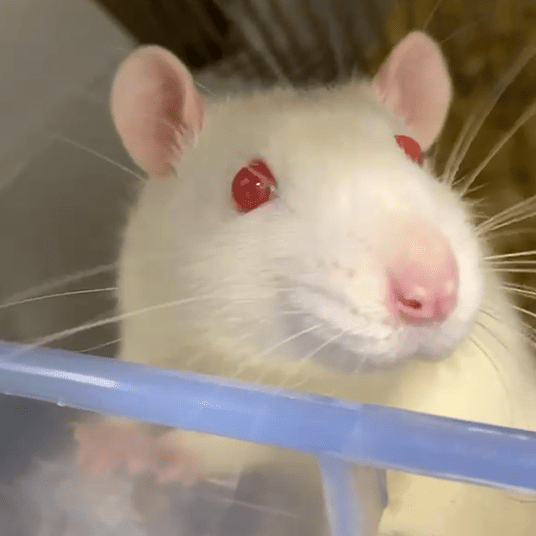
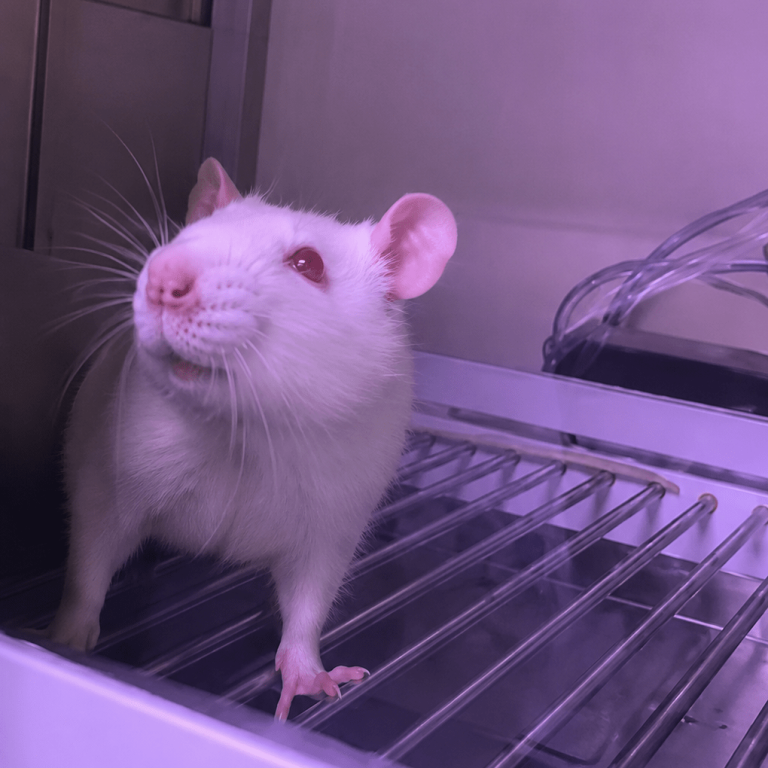
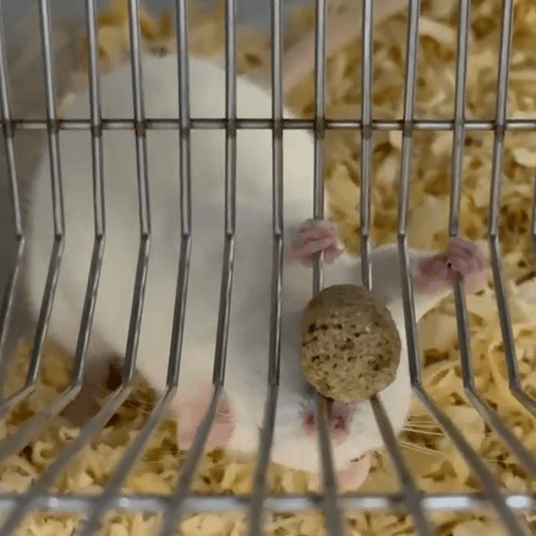
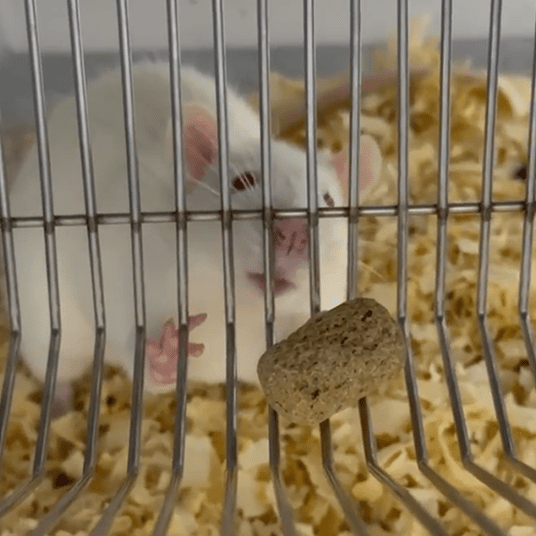
In the second and main experiment, rats were assigned to three groups. A control group received immediate access to a 32% sucrose solution, with no delay. The other two groups were exposed to a frustration-inducing procedure, consisting of a waiting period during which they had access only to an empty spout for 2 or 10 minutes before finally receiving the expected reward.
The results were clear. Animals that experienced the waiting period not only consumed more sucrose but also showed longer burst durations when they finally accessed the solution. In other words, the same drink appeared to be more pleasurable following the frustrating omission.
This effect also depended on the intensity of manipulation. Rats that waited 10 minutes showed longer burst durations than those that waited 2 minutes, suggesting that stronger frustration amplifies the subsequent hedonic response.
The binge episodes observed following prior frustration events can be explained by an increase in the hedonic value of the expected and omitted reward. This suggests that frustration does not simply increase the urge to eat — it also makes the food feel more pleasurable when it finally arrives.
— Matías Serafini
What this means for understanding binge eating disorder
These findings have important implications for our understanding of Binge Eating Disorder (BED).
If frustration enhances liking, then the subjective experience of a binge episode may involve a genuine increase in pleasure, rather than simply compulsive or uncontrolled consumption. This could help explain why binge episodes are so difficult to interrupt once they begin and why they tend to recur: the reward obtained following frustration is not only greater in quantity, but also more intense in its hedonic quality.
From a broader perspective, these findings may be relevant for anyone who has experienced intensified pleasure when eating after a period of restriction. Restrictive eating practices, rather than reducing the appeal of food, may paradoxically increase it, potentially contributing to the same binge-like cycles they aim to prevent.
It is important to note that these results come from an experimental animal model, and therefore their direct generalisation to human behaviour should be interpreted with caution and will require further research.
Reference
Fernández, M. R., Touriño, L., Cuenya, L., Pedrón, V. T., & Serafini, M. (2026). Enhancement of the hedonic value of an expected reinforcer following prior frustration: an animal model for studying binge-like episodes. Behavioural Processes, 236 (105331),1-9. https://doi.org/10.1016/j.beproc.2026.105331