
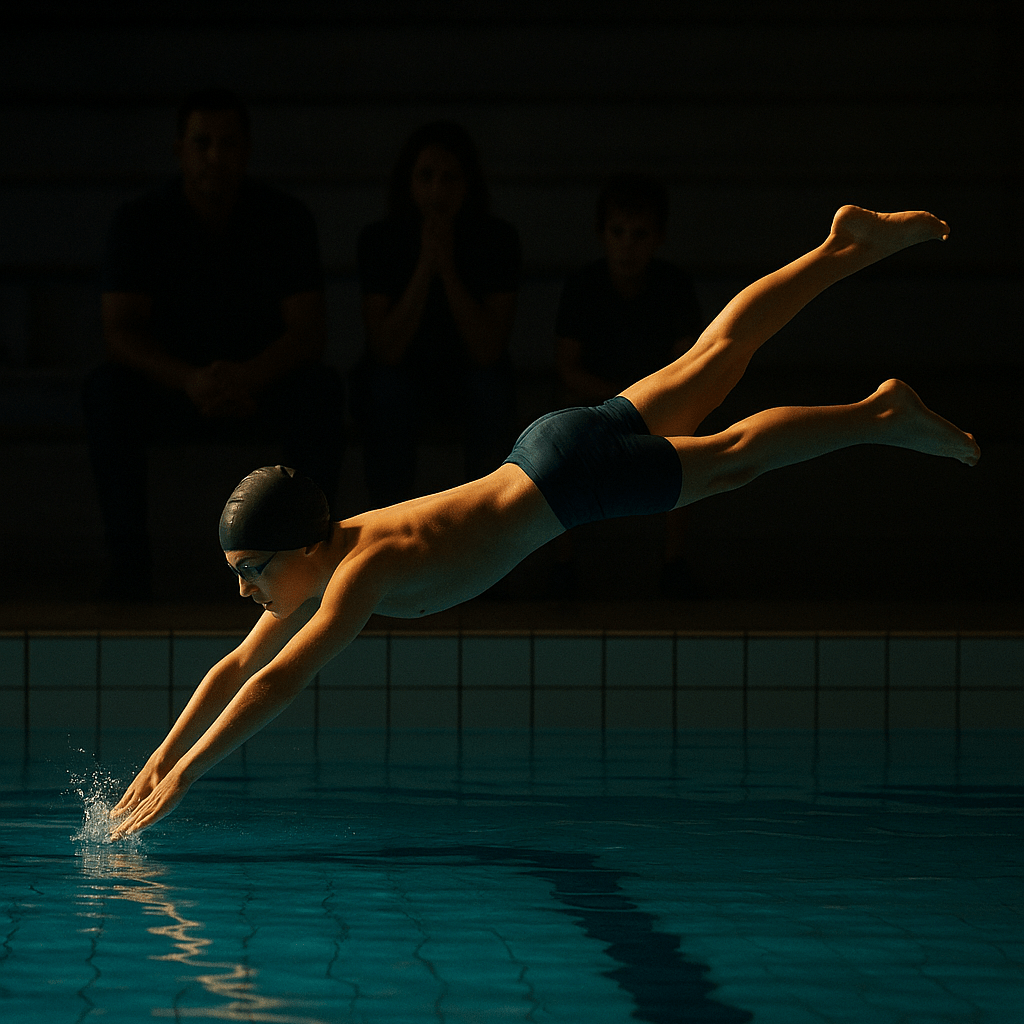
When the world marvels at the speed of Olympic swimmers cutting through the water, few pause to consider the sacrifices made outside the pool. Behind every stroke, every medal, and every world record, there is often a family silently carrying the weight of an athlete’s ambition.
A new study from UK Youth, alongside reserchers at Brunel University London and Loughborough University, published in the International Review for the Sociology of Sport, offers a fresh perspective on this often-overlooked dimension. Titled Conceptualising family well-being in elite swimming, the research studies the lives of four Cypriot families raising adolescent swimmers with Olympic potential.
The findings reveal that health, emotions, and a shared sense of belonging are central to how families of elite athletes cope, support, and sometimes fracture under the relentless demands of competition.
Why family matters in elite sport
Sport has long been celebrated for its capacity to build resilience, foster social cohesion, and improve quality of life. Yet in the world of elite sport, the story is often different. Athletes are expected to embody perfection, maintaining rigorous training schedules while simultaneously navigating education, adolescence, and the pressure of national expectations.
The study argues that athlete well-being should not be viewed only through the lens of psychological conditions such as stress, anxiety, or burnout. Instead, they frame it within the broader concept of family well-being (FWB). This shift places emphasis on the interconnectedness of personal health, emotional states, and family dynamics.
In Cyprus, where the study was based, cultural norms highlight a strong sense of familiocracy: the family is the dominant institution in social and economic life. This means that when one family member strives for Olympic glory, the entire household feels the triumphs, setbacks, and sacrifices as their own.
The role of health in family well-being
Physical health emerged as a defining factor of family well-being. For the swimmers, sore muscles and exhaustion were not simply burdens but signs of progress. Fatigue was reframed as evidence of potential. One young swimmer expressed pride in training until complete exhaustion, equating the pain with readiness to perform.
For parents, however, health was often compromised. Several reported neglecting their own exercise routines, medical needs, and leisure time. One mother confessed that she had abandoned her own athletic lifestyle, lamenting that parenting an elite swimmer had left her physically depleted.
Siblings, meanwhile, experienced health in an indirect way. They often absorbed the emotional strain of seeing their brother or sister pushed to physical limits, sometimes feeling powerless to intervene. The study reveals a paradox: while swimming fosters physical resilience in the athlete, it may undermine the health of the wider family unit.
Happiness and the emotional rollercoaster
Happiness was not a simple outcome of winning medals. It was contingent on a complex interplay of expectations, recognition, and shared emotional states. Families described feelings of immense pride when swimmers broke records or achieved historic milestones for Cyprus. Siblings, in particular, spoke enthusiastically about the respect they gained socially when their brother or sister performed well.
But these highs were balanced by devastating lows. When athletes failed to meet expectations, the ripple effect spread quickly. Parents felt guilt for pushing too hard, siblings experienced second-hand shame, and athletes themselves expressed sadness at disappointing those closest to them.
The study highlights the fragility of these emotional dynamics. Pride and satisfaction could easily give way to anxiety and resentment, showing that happiness in elite sport is not a stable condition but a delicate state vulnerable to performance outcomes.
When pride turns into guilt
One of the most striking findings was the extent of emotional accountability athletes felt towards their families. Young swimmers described the pressure to deliver happiness to their parents and siblings through their performances. Failure was not just personal; it was seen as a collective disappointment.
Parents also revealed moments of guilt. Some worried about neglecting siblings who did not swim competitively, while others admitted to missing milestones in family life because of the sport’s all-consuming schedule. Fathers in particular reported tension when unable to balance professional duties with the demands of supporting their child’s career.
This sense of mutual responsibility reflects the concept of familiocracy in Cypriot culture, but its consequences are profound. When families succeed together, well-being flourishes. When they fail, the emotional toll is magnified for every member.
Belonging, worthwhileness and the family unit
Belonging was described as a cornerstone of family well-being. Families bonded during competitions, sharing the nervous energy of waiting for results, and celebrating victories together. Watching races as a unit created moments of intense togetherness and reinforced a shared sense of purpose.
Yet belonging was not guaranteed. Athletes often felt isolated, particularly during competitions abroad where their routines of hotel-to-pool life left them disconnected from family leisure. Parents sometimes struggled to bridge the gap, describing trips as enjoyable holidays, while athletes experienced them as lonely and monotonous.
Worthwhileness, another key theme, came from feeling recognised within the family unit. Parents gained value by supporting their children tirelessly, sometimes driving hours for training. Athletes felt appreciated when their sacrifices were acknowledged, while siblings sought validation for their patience and support. However, when these efforts went unrecognised, feelings of neglect and resentment surfaced.
The broader debate on athlete mental health
The findings echo wider conversations in global sport. High-profile cases such as Michael Phelps and Simone Biles have spotlighted the mental health struggles of elite athletes. Studies increasingly show that safeguarding, athlete welfare, and psychological well-being cannot be confined to the individual performer.
The study argues for multidimensional models of well-being that include families and cultural contexts. This moves the conversation beyond resilience training or sports psychology and towards systemic support. Policies that recognise the role of parents and siblings, they suggest, could mitigate some of the most damaging effects of elite training.
Lessons for sport organisations
The research raises critical questions for sporting federations, schools, and policymakers. Should support programmes extend beyond the athlete to include their families? How can financial pressures, parental stress, and sibling neglect be alleviated without compromising performance?
Elite sport is often framed as an individual journey of talent and perseverance. Yet as this study demonstrates, it is equally a collective journey of sacrifice, pride, and sometimes suffering. Recognising the family as an integral unit in athlete development could be key to sustainable success.
Reference
Christoforou, A., Mansfield, L., Blair, R., & Rhind, D. (2025). Conceptualising family well-being in elite swimming. International Review for the Sociology of Sport, 60(6), 1007–1024. https://doi.org/10.1177/10126902241299121