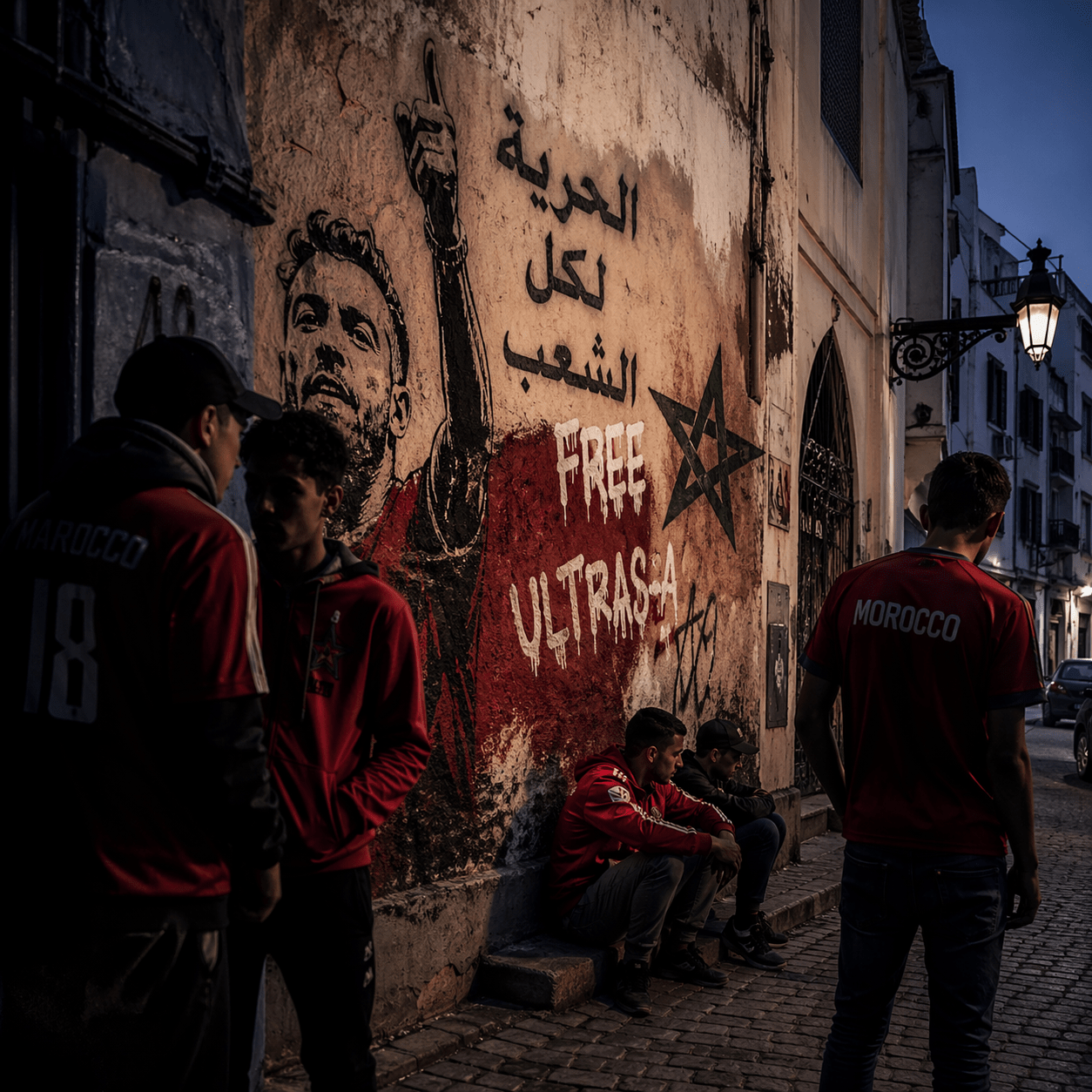
On a wall in Tetouan, a northern Moroccan city close to the Spanish enclave of Ceuta, a message appears in bold script: “My heart is extinguished from your side, my country.” It is not a campaign slogan, nor the work of a recognised artist. It is graffiti produced by football fans. Yet recent research shows that these markings are far more than casual expressions of fandom. They are part of a wider socio-political discourse that transforms urban space into a site of resistance.
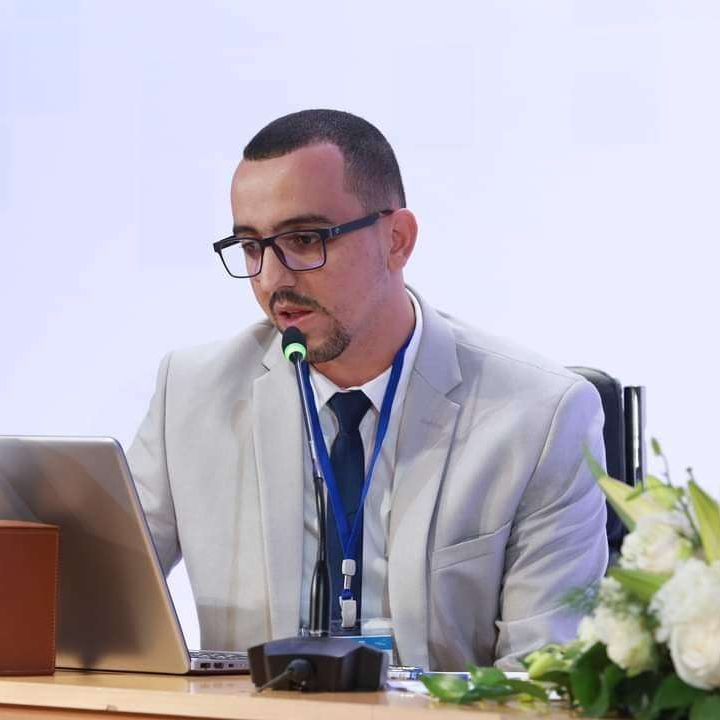
A study led by Aissa El Ghayyati, published in the International Review for the Sociology of Sport, and conducted at Abdelmalek Essaâdi University, explores this phenomenon in depth. Titled “From stadium to street: A sociological study of the political graffiti of football fan groups (Ultras) in Tetouan”, the research reveals how football Ultras in Morocco use graffiti as a form of political participation, social commentary, and identity construction.
Beyond football: Ultras as a social and political force
Football Ultras are often portrayed as passionate supporters, known for choreographed displays and intense loyalty to their clubs. However, the study argues that in Tetouan, these groups function as a masculine subculture that extends well beyond the stadium. Their practices reflect broader socio-economic conditions, including unemployment, marginalisation, and limited political inclusion.
Since their emergence in Morocco in the mid 2000s, Ultras have developed a distinct identity based on autonomy, solidarity, and resistance to institutional control. They deliberately reject formal recognition as associations, positioning themselves outside the legal and political framework. This refusal is not merely symbolic. It represents a conscious effort to maintain independence from state oversight and political co-option.
Graffiti as political communication
Graffiti in Tetouan is not random or purely aesthetic. According to the research, it is a strategic and rational form of political expression. Messages are carefully placed in highly visible locations, often along main roads or near symbolic sites, to maximise their impact.
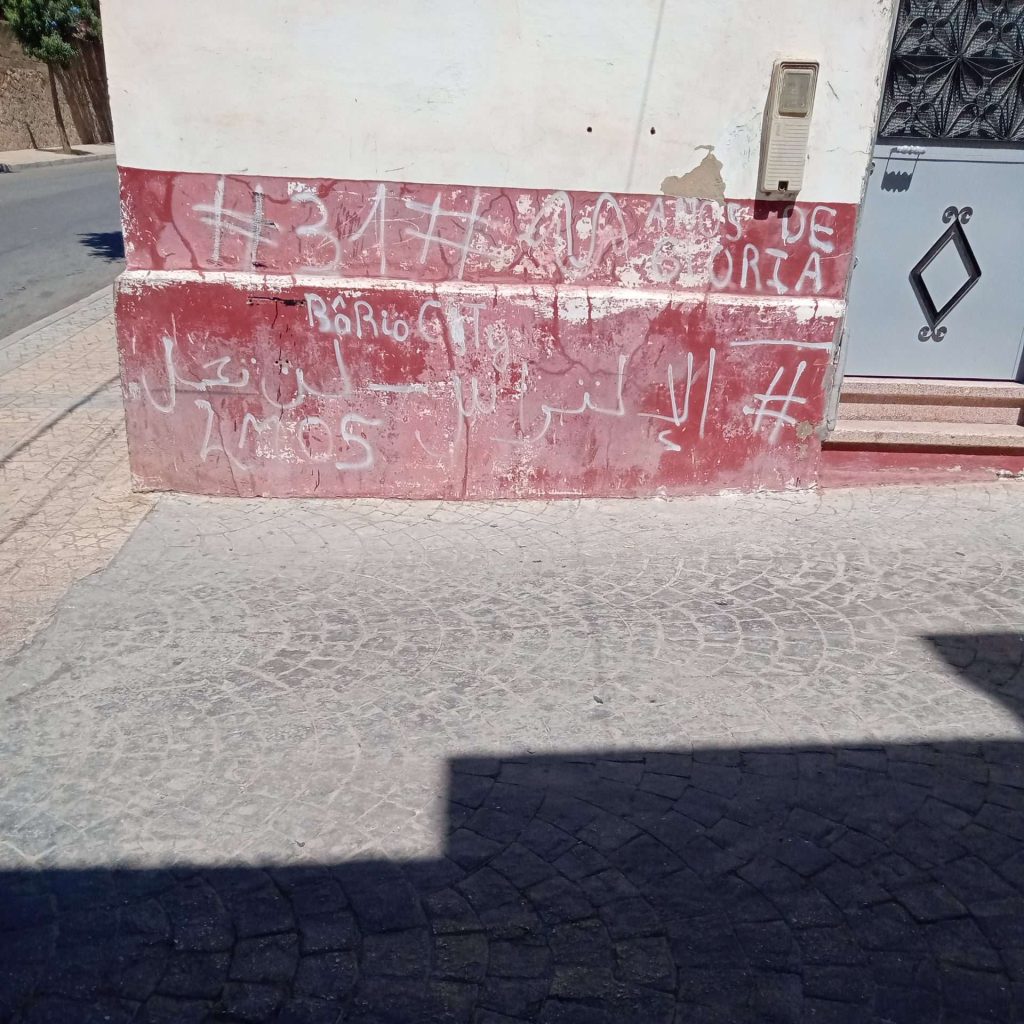
The study documents over 450 pieces of graffiti, revealing a diverse range of themes. While identity-based markings are the most common, a significant portion carries explicit political content. These include critiques of public policies, denunciations of authorities, and demands for institutional change.
In a context where public protest is restricted and closely monitored, graffiti becomes a crucial means of communication. It allows individuals to express dissent anonymously while reaching a wide audience. As the authors note, this form of expression bypasses traditional channels of political participation, which are often inaccessible to marginalised youth.
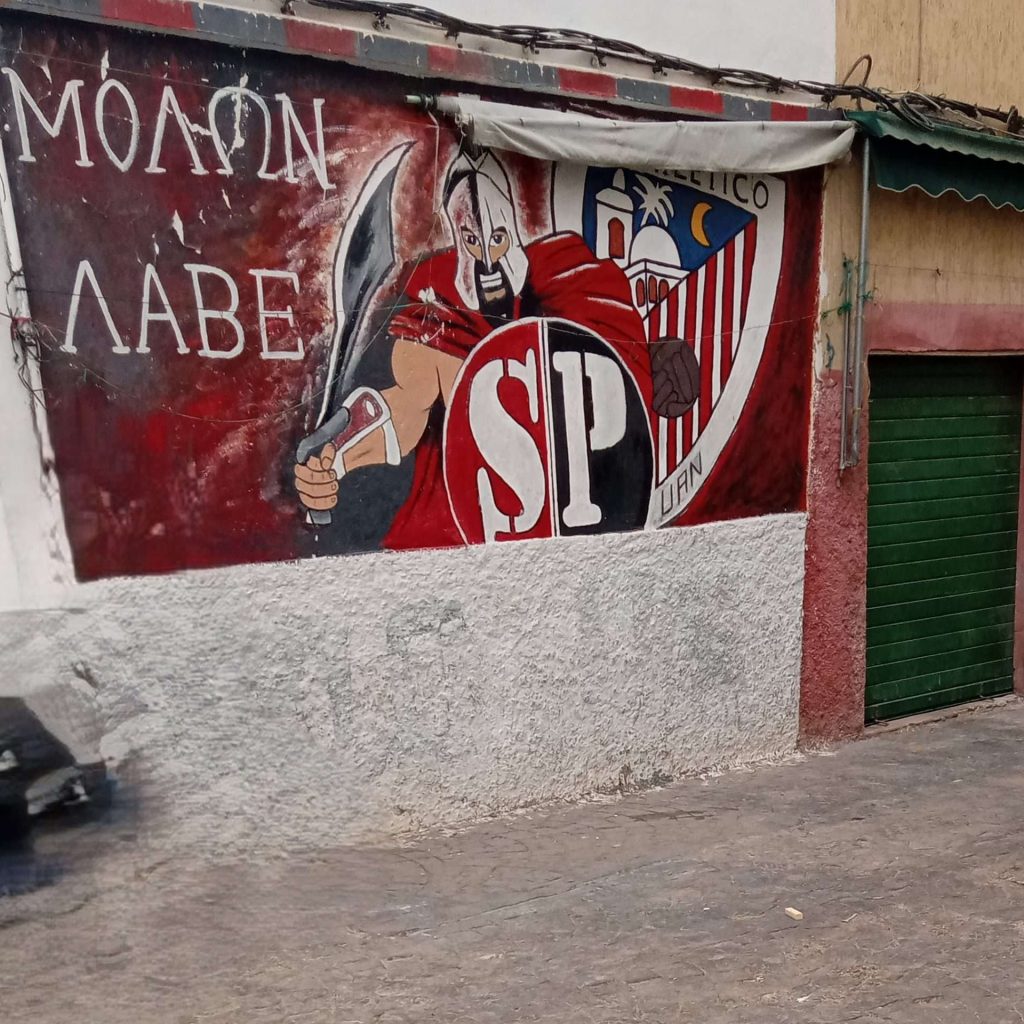
Territory, identity, and conflict
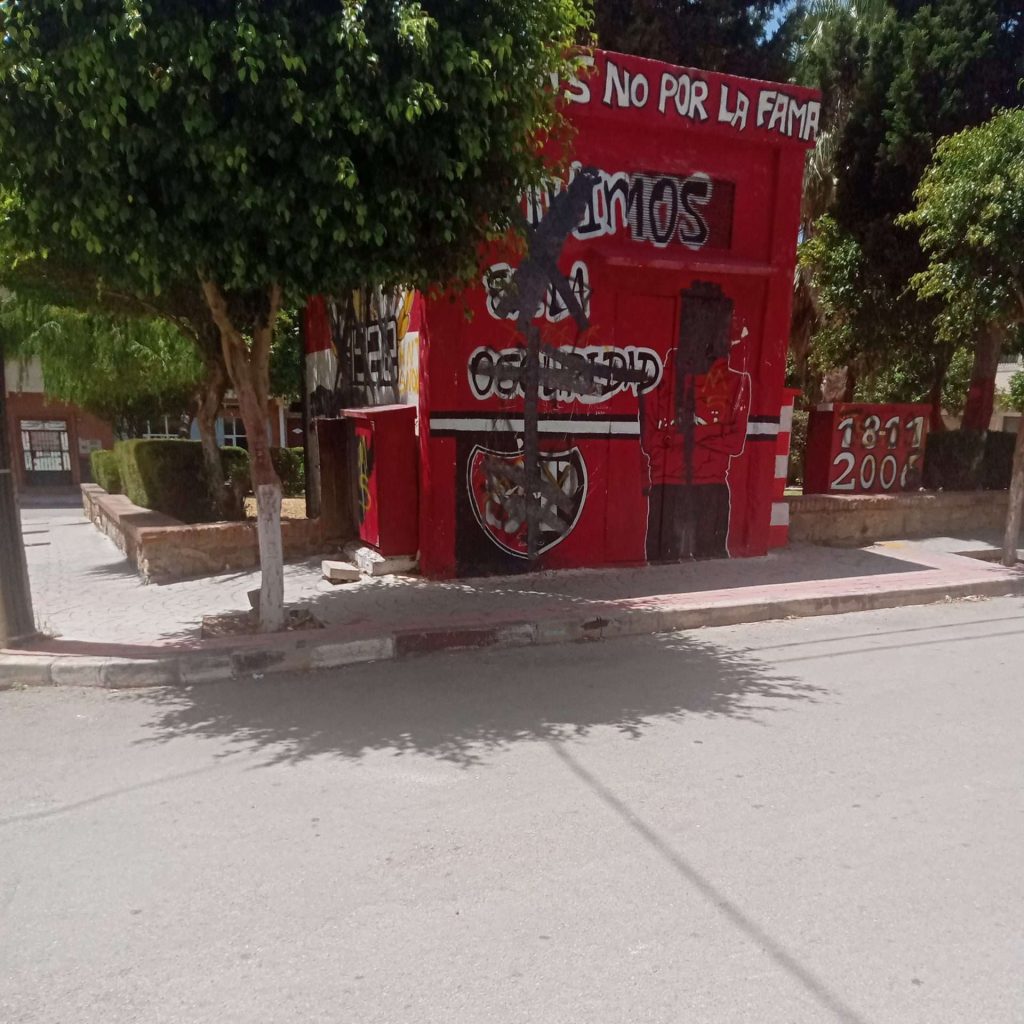
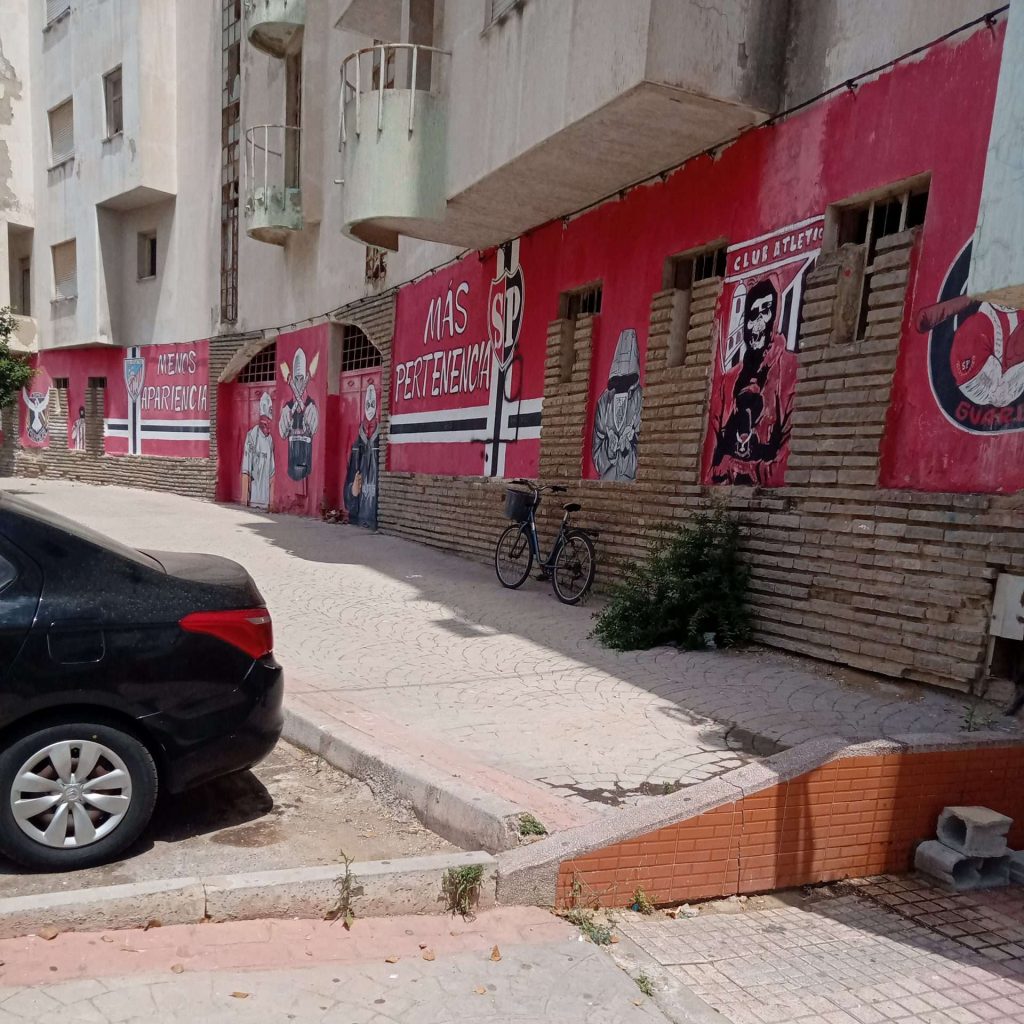
The urban landscape of Tetouan is marked by a symbolic division between two main Ultras groups supporting the local football club. Each group claims territory through graffiti, turning walls into markers of identity and dominance.
This spatial distribution reflects underlying social networks and neighbourhood affiliations. Graffiti is more than decoration; it is a declaration of presence. It signals who belongs where, and who holds influence in different parts of the city.
Conflict between groups is also expressed visually. Rival slogans, insults, and overpainting are common, creating a dynamic and contested urban environment. At the same time, these groups can unite when facing external pressures, such as state repression or decisions affecting their shared club.
Masculinity, identity, and the aesthetics of protest
The research also emphasises the gendered dimension of Ultras graffiti. All documented works were produced by men, and participation is largely restricted to male members. This reflects the construction of a masculine subculture in which strength, loyalty, and defiance are central values.
Graffiti often depicts muscular, masked figures, symbolising resistance and readiness for confrontation. These images are not merely decorative. They reinforce a collective identity that blends sporting passion with political defiance.
This aligns with sociological theories of subculture, which highlight how marginalised groups create alternative systems of meaning. In this case, the Ultras use visual symbols to redefine masculinity and assert their place in society.
The Moroccan Ultras of Tetouan provide a compelling example of how non-traditional young men’s movements can integrate urban art into a broader political project of resistance. Their practices reveal that both sporting and urban spaces can be transformed into arenas for the redistribution of symbols, values, and power, demonstrating that marginalized masculine subcultural identities are capable of inventing new political languages that bypass conventional channels of institutional participation.
—Aissa El Ghayyati
Voices of frustration: Migration, exclusion, and despair
Perhaps the most powerful aspect of the graffiti documented in the study is its emotional content. Many messages express deep frustration with local conditions. High unemployment, limited opportunities, and social exclusion are recurring themes.
The desire to emigrate is particularly strong. References to Spain, both as a destination and as a symbol of opportunity, appear frequently. This reflects the geographical proximity of Tetouan to Europe and the historical and cultural ties between the regions.
In this context, graffiti becomes a form of testimony. It captures the lived experiences of young men who feel disconnected from their society. It also highlights the broader structural issues that shape their lives.
The study suggests that these expressions should not be dismissed as mere vandalism. Instead, they offer valuable insights into the social realities of marginalised populations.
Reference
El Ghayyati, A., Jebar, A., & Elouezzani Taybi, K. (2026). From stadium to street: A sociological study of the political graffiti of football fan groups (Ultras) in Tetouan. International Review for the Sociology of Sport. https://doi.org/10.1177/10126902251415037