
Can computers discover useful mathematics? Researchers evolved a formula that improved neutron transport convergence in 78% of tests, opening new possibilities.
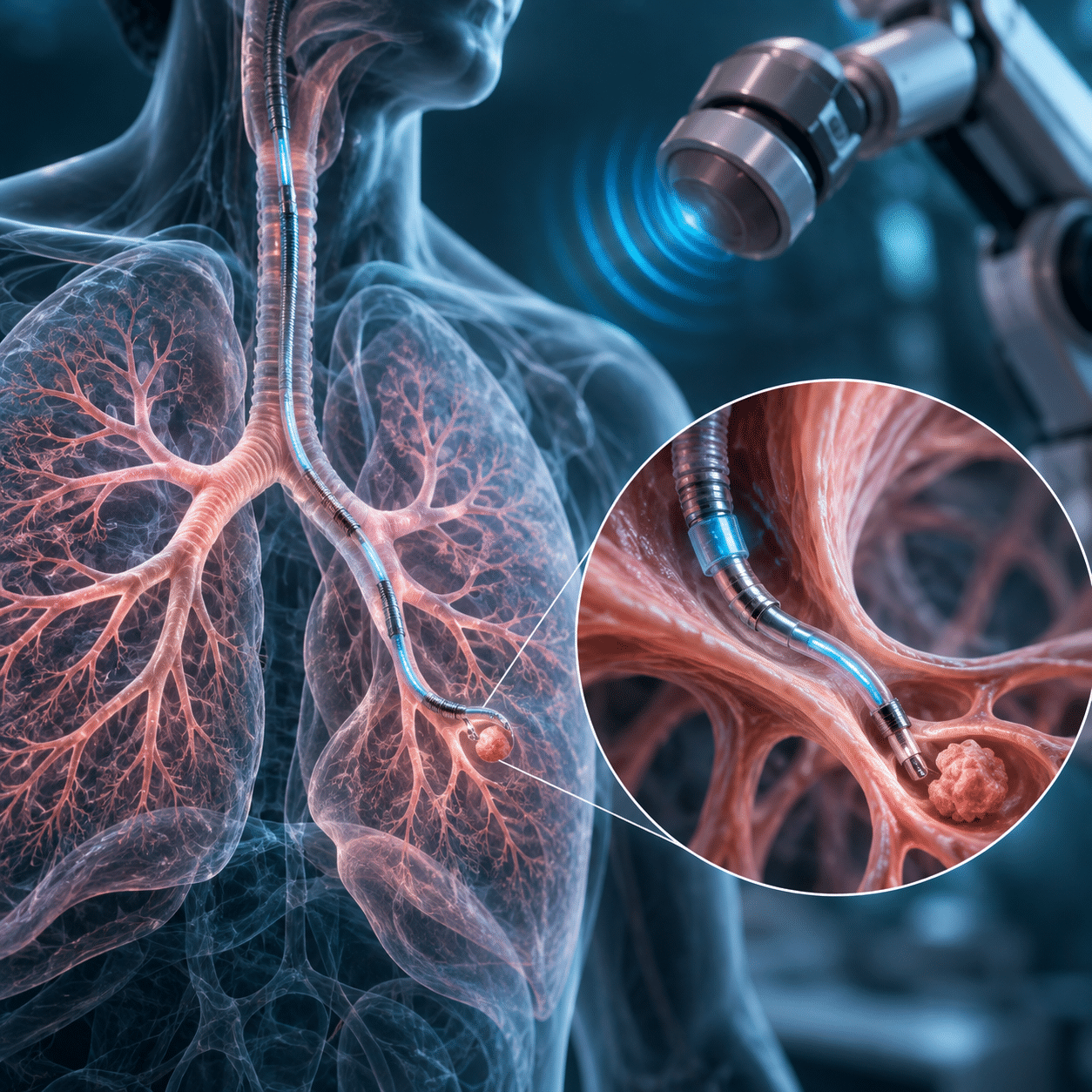
Tiny Magnetic Robot Could Help Reach Deep Inside the Lungs
Could a 2 mm magnetic robot reach deep in lungs? Researchers tested a new variable stiffness catheter that bends during navigation and hardens for intervention.

Avoiding Radiotherapy in Children and Adolescents’ Hodgkin Lymphoma: Improving Long-Term Survival and Quality of Life
Children with Hodgkin lymphoma were cured without radiotherapy in 86.2% of cases by a South American Research Group. These results imply fewer long-term side effects.
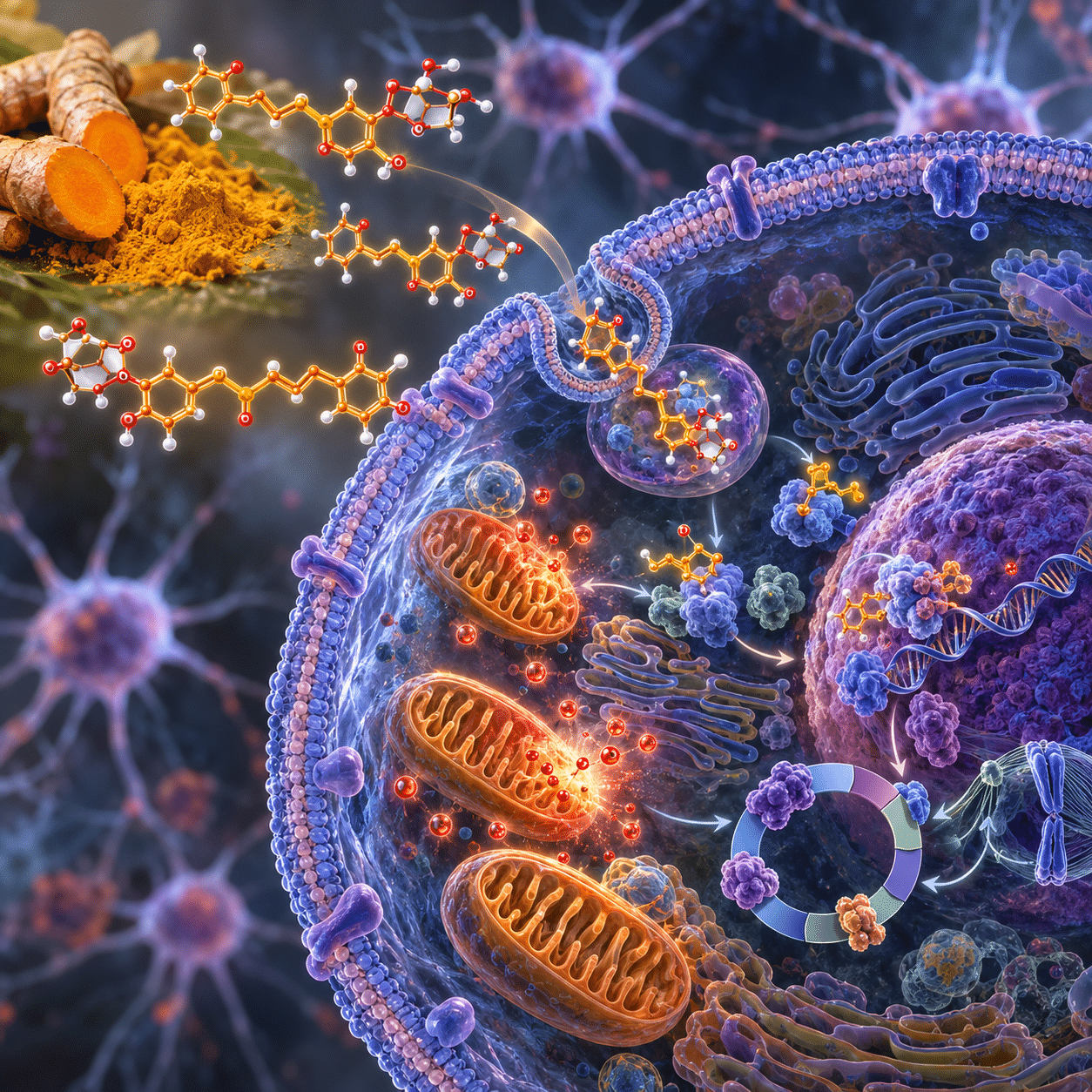
Researchers Find That Adding Glucose May Make Curcumin More Bioavailable and Biologically Active
Could modified curcumin behave differently inside cells? Researchers found that glucose attached forms showed more uptake and distinct biological responses too.
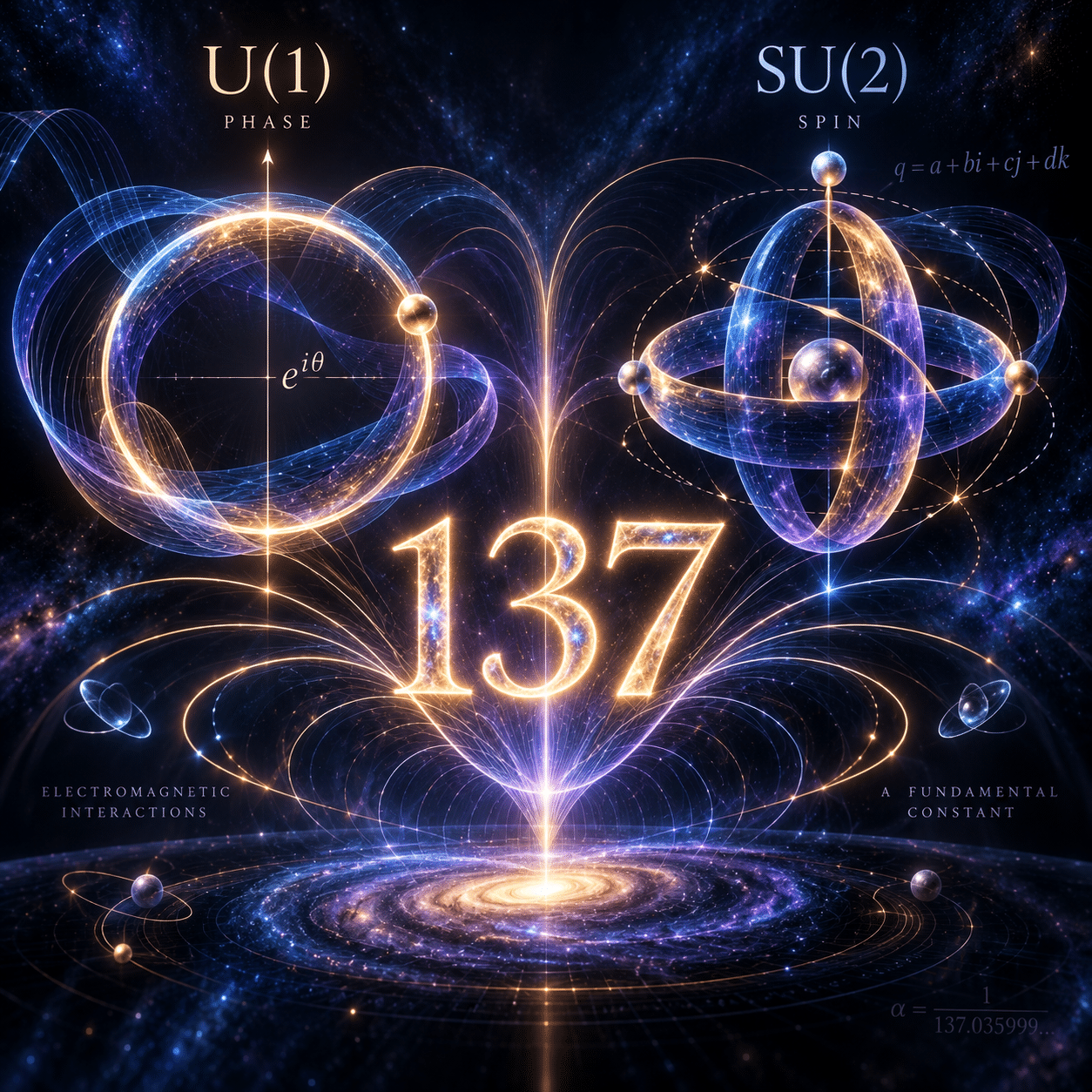
A Mathematical Alpha Tower for the Fine Structure Constant
Can a convergent mathematical tower built from π help explain why the fine-structure constant is so close to 137? A new conditional model connects topology, holonomy and finite-state counting to one of physics’ most famous numbers.

Who Protects the Protectors? Burnout and Wellbeing in Spain’s Civil Guard
Can resilience alone protect police officers from burnout? A study of 604 active-duty officers reveals why police wellbeing is an organisational issue, not simply a matter of individual resilience.

Everyday Lifestyle Factors that May Influence Melanoma Risk
Could melanoma prevention extend beyond sunscreen? A new review explores lifestyle medicine, behaviour change and the strength of current evidence.

Artificial Intelligence has Already Entered Classrooms
Can education systems keep learning fair when generative AI tools are already shaping how students write, study and submit work?
A Possible Hidden Pattern Behind the Masses of the Electron, Muon and Tau
Why is the electron so much lighter than the muon? And why is the tau, in turn, dramatically heavier than both?
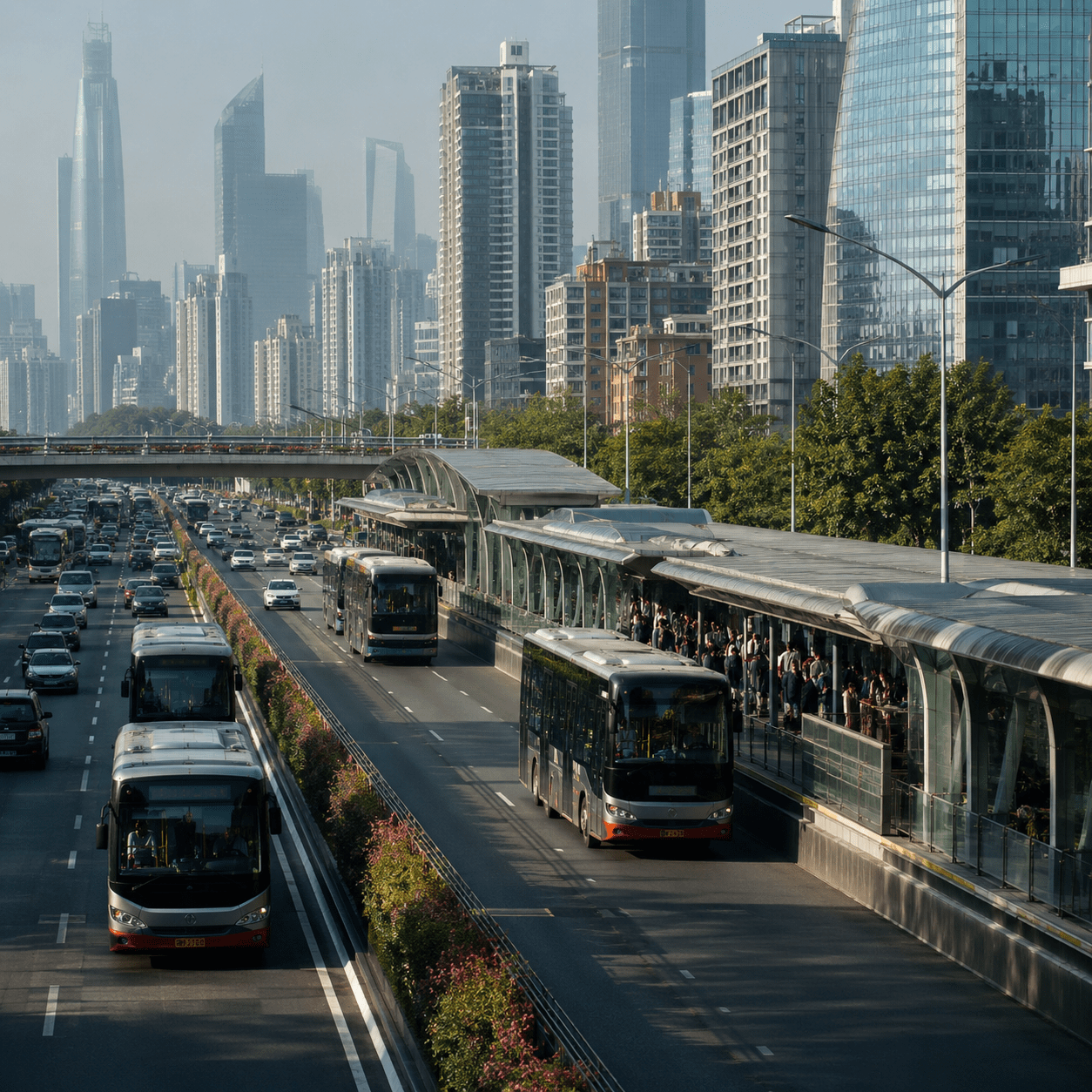
China’s Public Transportation Reversal and the Politics of Visibility
Can making public transport more visible reshape who controls it? Research across 233 Chinese cities reveals links between infrastructure and ownership.