
February 6, 2026
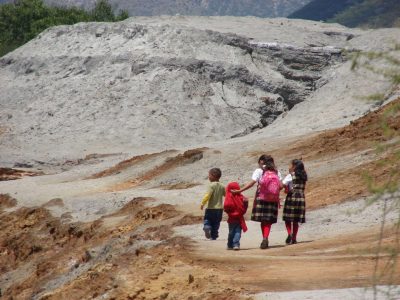
How can fine dust particles from historic mining sites dissolve in the body and affect long-term human health?
How can fine dust particles from historic mining sites dissolve in the body and affect long-term human health?
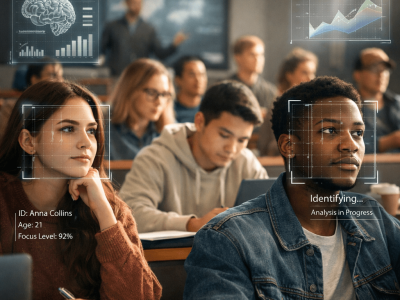
Can artificial intelligence improve learning without harming autonomy and well being for students navigating monitored university classrooms?
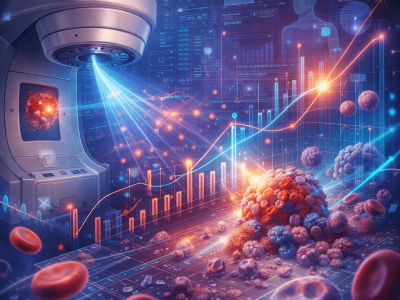
Why do some patients maintain stable haemoglobin during treatment while others decline despite similar radiation exposure?
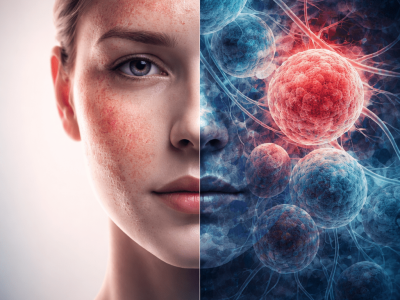
Why does early skin lymphoma look like eczema, and how can modern biologics change what we see?

When machines influence decisions: Can artificial intelligence support better leadership decisions without eroding human judgment and ethical responsibility?
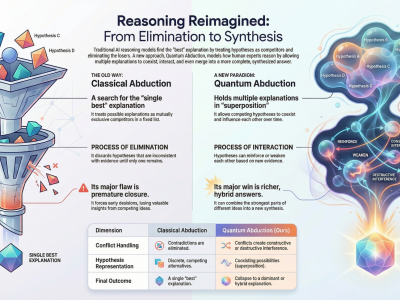
Why has uncertainty driven some of the greatest discoveries in history? What if the smartest decision is not choosing at all when evidence conflicts?
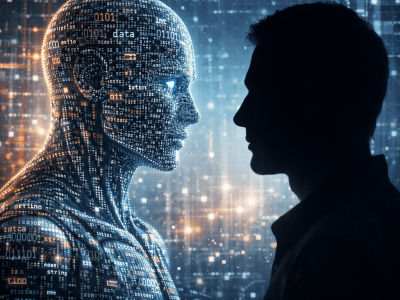
Inside the language of AI: If machines only predict words, how can their language feel meaningful and what limits remain for artificial intelligence?
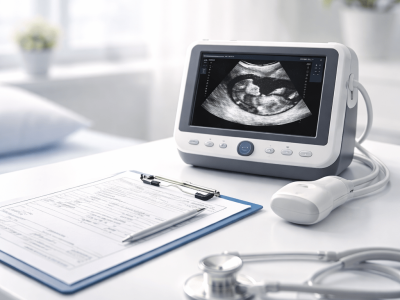
Screening smarter in resource-limited settings: How does AI-supported breast ultrasound improve referrals and what does this mean for women facing long diagnostic delays?

Can society ever escape the grip of the powerful? Discover how money, gender norms, and hidden hierarchies keep inequality alive.
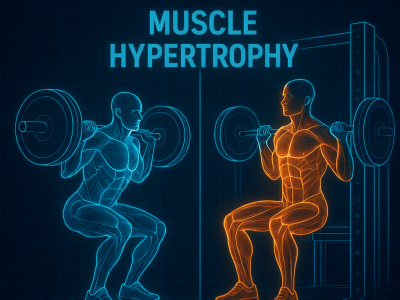
Which option is best for building muscle and speed? The latest study on squats and bench presses offers insights that could change your training choices.





What if walls and streets could actively guide wireless signals and reduce dropped calls in crowded urban spaces?
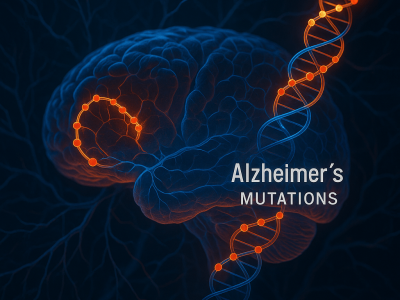
A new bioinformatics tool transforms proteogenomics by exposing false positives. Will this reshape how medicine targets Alzheimer’s and cancer?

Can tiny plastic fragments in snow and ice speed up melting and disrupt life downstream for millions who rely...