
Can AI give feedback that truly supports a student’s mind, or is human recognition still the missing ingredient?
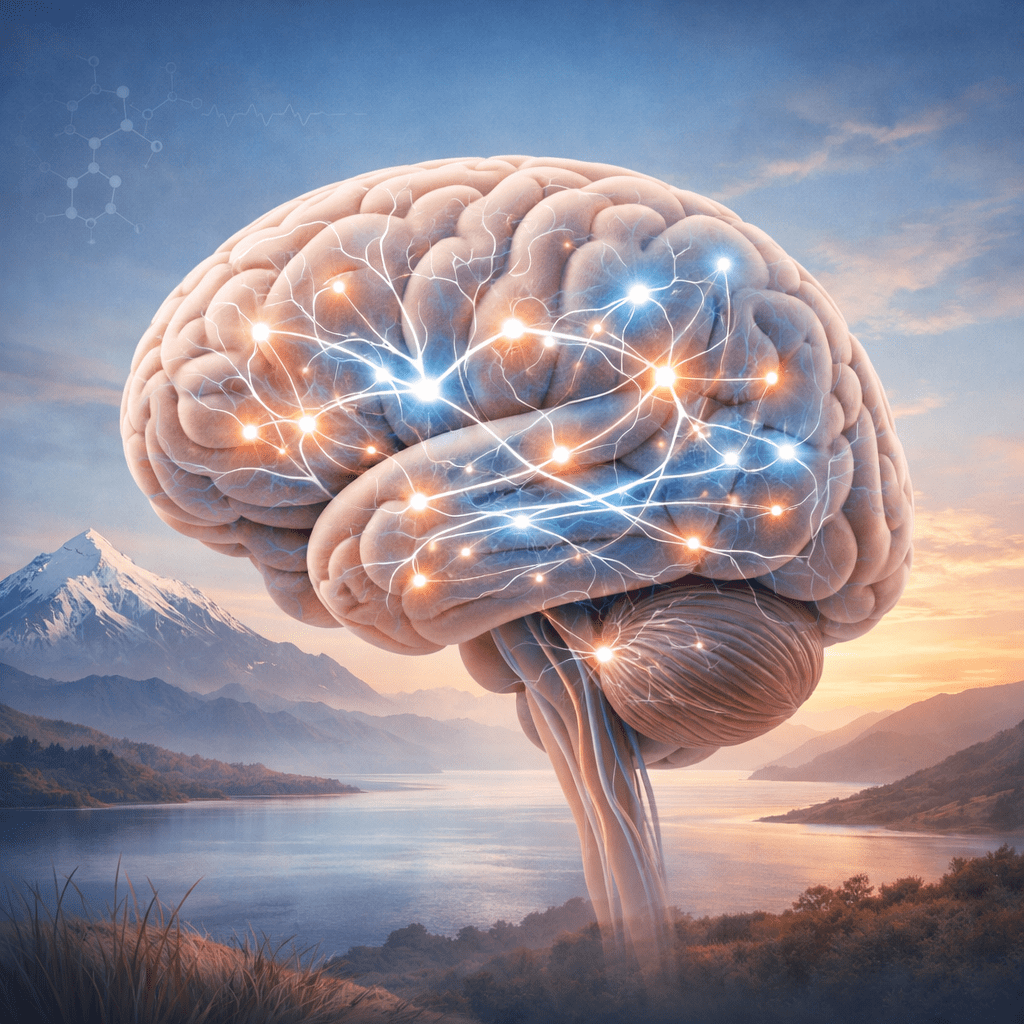
When Real-World Evidence Reshapes Multiple Sclerosis Care in Latin America
How MS treatment performs beyond clinical trials. What happens when a high efficacy MS therapy is tested in real patients across years of routine care?
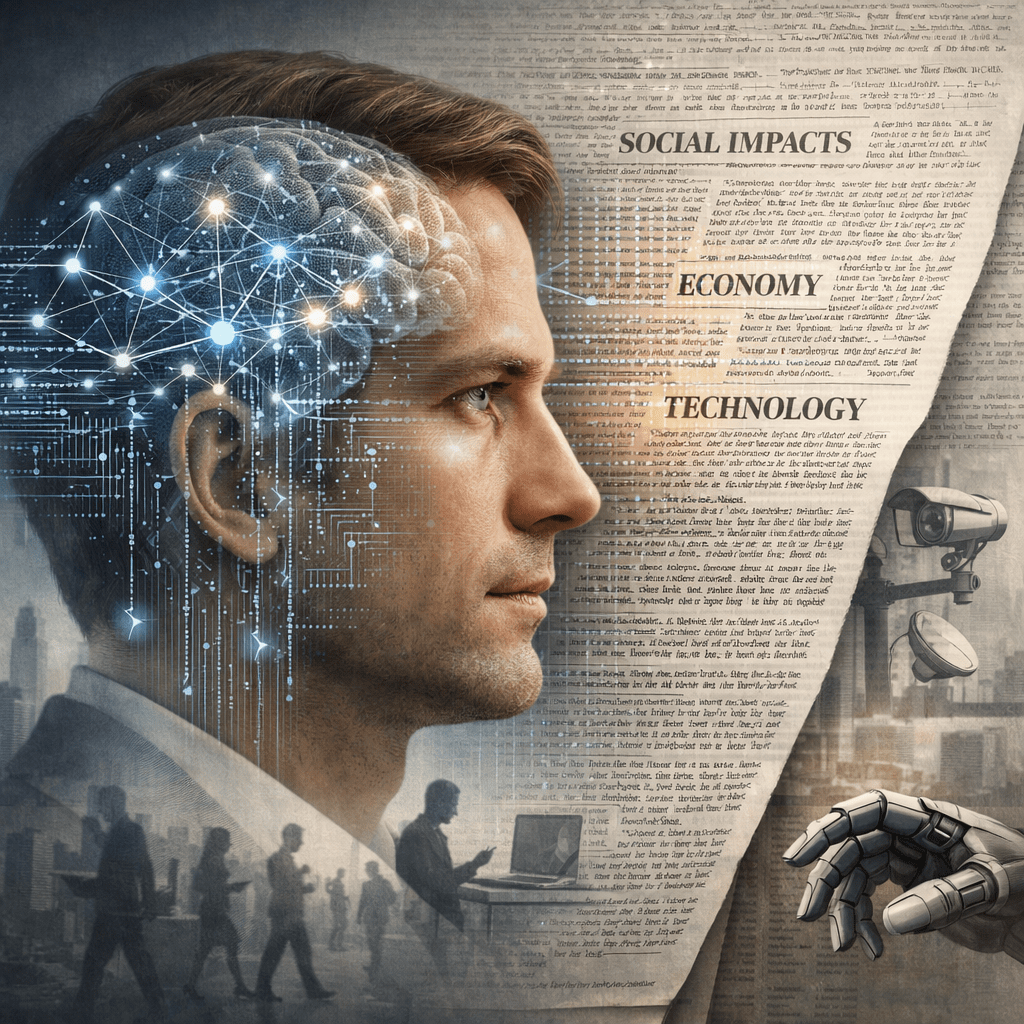
The Role of Media Framing Shapes Public Support for Artificial Intelligence
Why public trust in AI is fragile? How does media framing turn artificial intelligence into a promise for some and a threat for others?
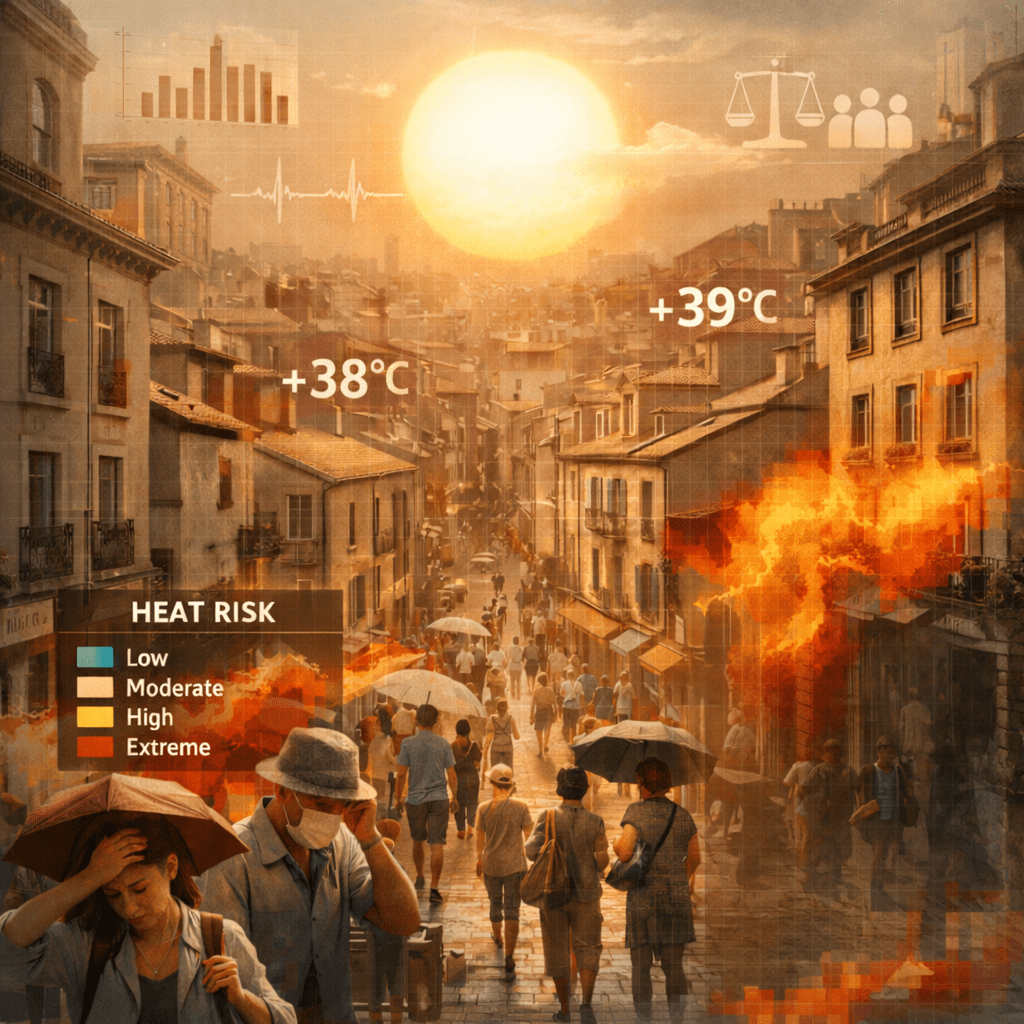
Heatwaves, Cities, and Inequality are Reshaping Mortality Risk in Europe
Can urban growth make heatwaves deadlier for millions? A Europe-wide study uncovers how cities amplify health risks during extreme heat.
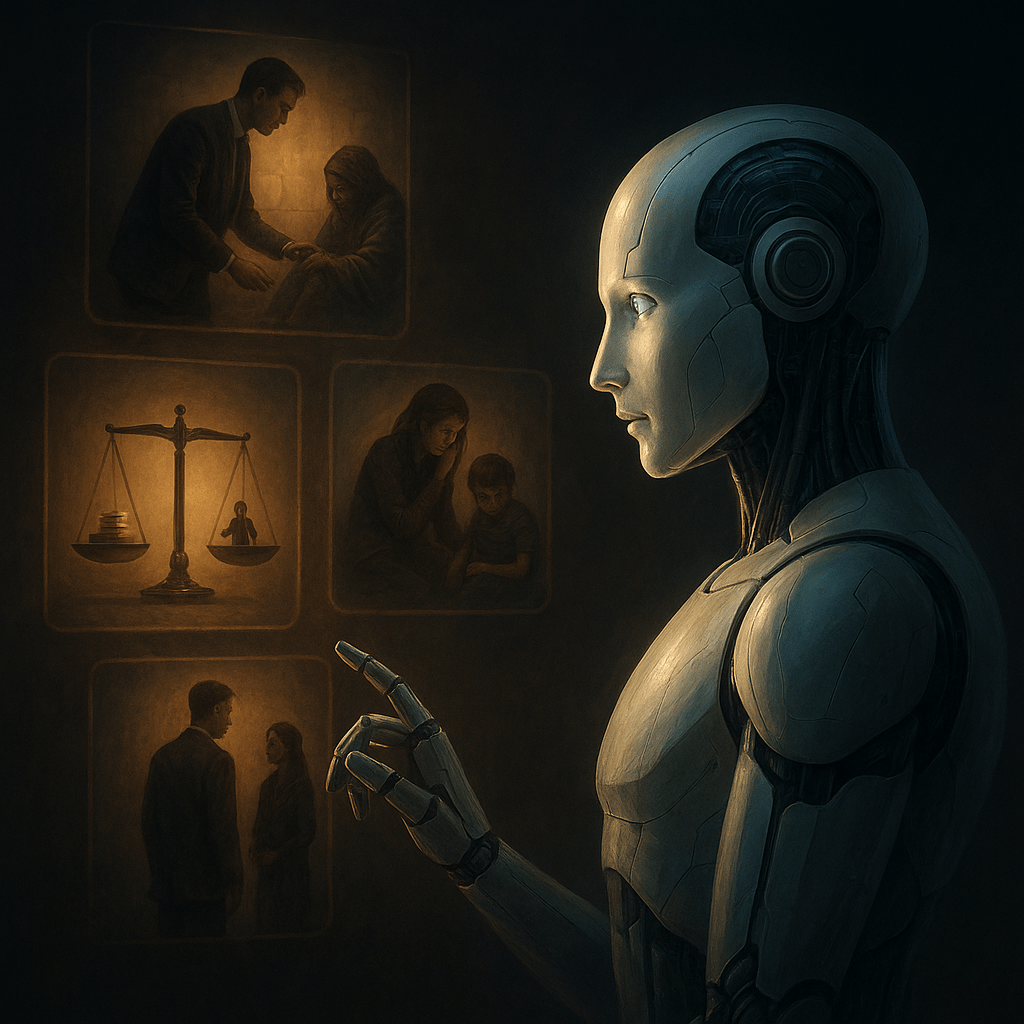
Machine Learning-Based Experiments Put AI Ethics To The Test
What happens when researchers teach an AI to understand everyday moral choices Delphi reveals new insights into context, bias and human values.

Using System Dynamics to Shape Morocco’s Water Future
Can System Dynamics modelling help farmers and policymakers avoid systemic water crises? This research investigates how data-driven water planning frameworks can reshape Morocco’s long-term hydrological trajectory.

Egypt’s Clean Energy Crossroads: New Research Maps The Most Cost-Effective Route To 2050
Can Egypt lower emissions and energy costs at the same time? This study shows how a renewable-led pathway transforms the nation’s long-term prospects.
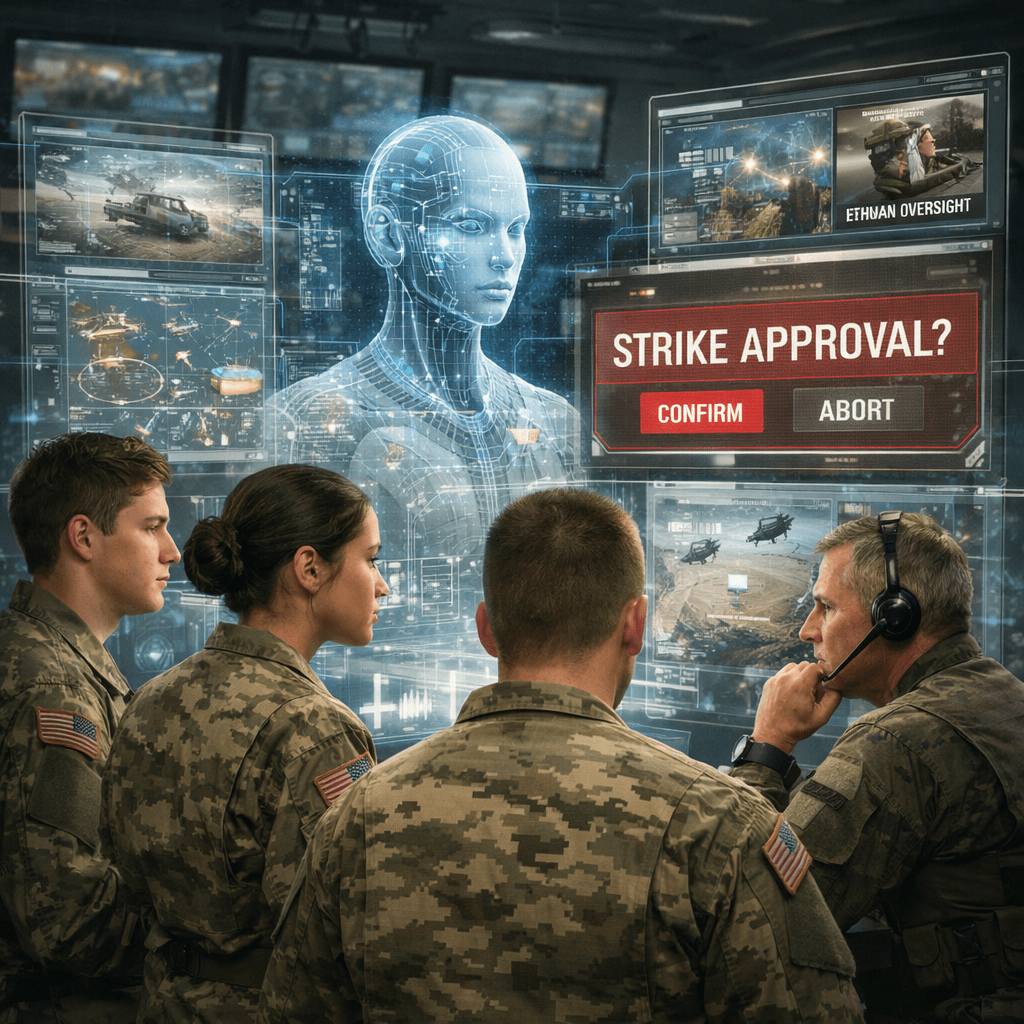
Do Future U.S. Military Leaders Trust Artificial Intelligence?
Artificial Intelligence promises speed and precision during future conflicts, yet U.S. military Cadets have reservations about the adoption of emerging capabilities. Why do future U.S. military officers prefer human oversight during war?
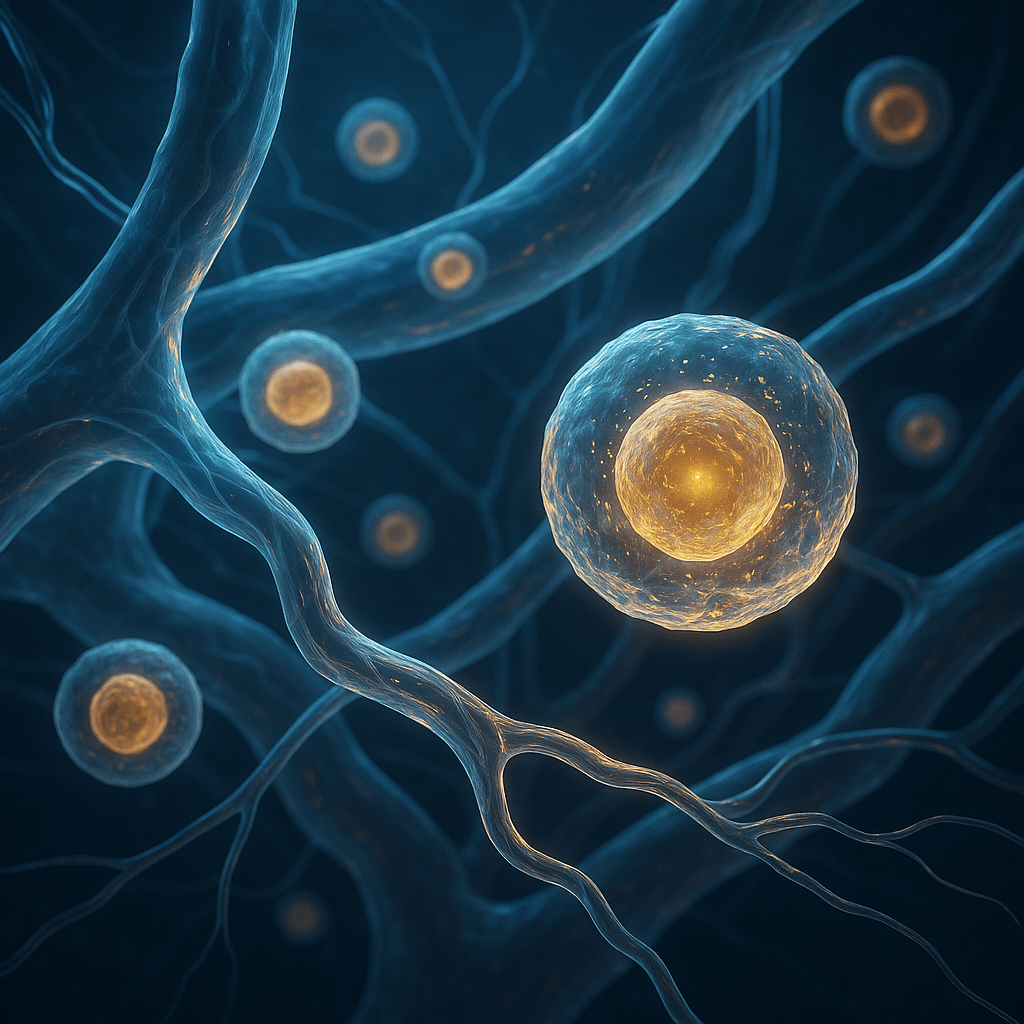
A Five-Year Stem Cell Study Hints at A Future for Healthy Ageing
Can a single stem cell infusion calm inflammation for years? This study tracks healthy adults for five years and uncovers a long-lasting immune effect.
Why Brain Tumours Remain One Of Medicine’s Hardest Problems
What if cancer drugs could enter the brain naturally? This research shows how HER3-guided nanobioparticles make it possible.