
For more than two decades, the phrase “sixth mass extinction” has dominated scientific debates, conservation campaigns, environmental documentaries, and public discourse. It evokes images of catastrophic biodiversity collapse on a scale comparable to the extinction event that wiped out the dinosaurs. Yet a new research article is questioning whether this powerful narrative is scientifically justified.
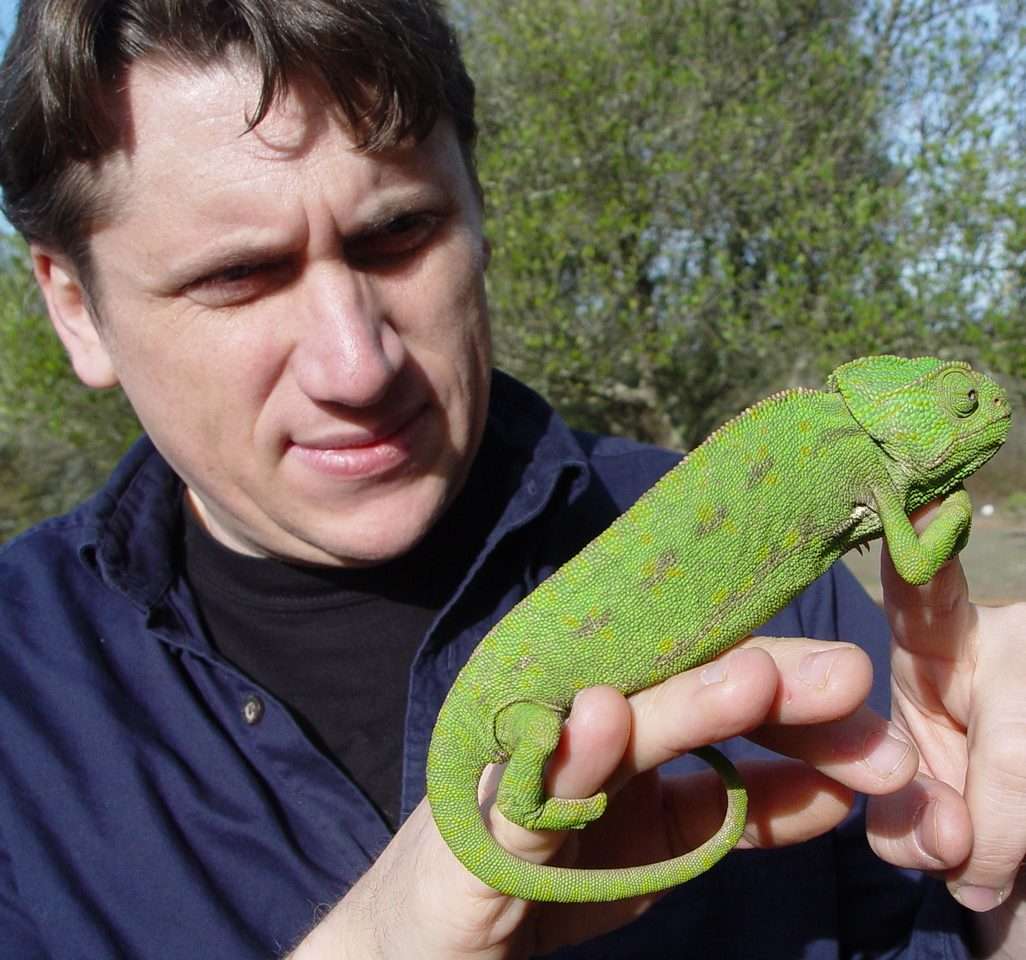
In a provocative analysis published in the leading journal Trends in Ecology and Evolution, evolutionary ecologist John J. Wiens, from the University of Arizona, along with co-author Kristen E. Saban of Harvard University, critically examine the evidence behind claims that Earth has already entered a sixth mass extinction. Their paper, titled “Questioning the sixth mass extinction“, does not deny the seriousness of the global biodiversity crisis. Instead, it challenges whether current extinction patterns truly meet the scientific criteria for a mass extinction event.
The authors argue that while catastrophic biodiversity loss has occurred and is imminent, the existing data do not support claims that Earth is undergoing an extinction comparable to the five mass extinctions documented in the fossil record. They warn that overstating the severity of the current extinction risks may ultimately damage public trust in science and conservation.
A powerful idea under scientific scrutiny
The concept of a sixth mass extinction gained prominence through influential books, high-profile scientific papers, and extensive media coverage. Studies reporting elevated extinction rates and widespread population declines across animals and plants have reinforced the impression that humanity is driving an extinction event that is comparable to the five largest mass extinctions in the fossil record.
However, the study by Wiens and Saban notes that very few studies have rigorously tested whether modern extinction patterns meet the criteria used to define historical mass extinctions. In palaeontology, mass extinctions are typically identified by exceptionally high losses of global species diversity, exceeding 75 percent, over geologically short periods.
Applying this standard to present-day biodiversity reveals a striking discrepancy: less than 0.1 percent of Earth’s known species have gone extinct in the last 500 years (and less than 1 percent among well-studied vertebrates). Each of these species losses is tragic, but they remain far below the threshold that would place the modern era alongside the five largest extinction events in Earth’s history.
What exactly is a mass extinction?
Understanding the controversy requires clarity about what scientists mean by mass extinction. Traditionally, the term refers to events in which a vast proportion of life disappears over a relatively short geological time period. The five recognised mass extinctions were identified through fossil evidence, specifically from marine animals, over hundreds of millions of years.
Yet even in deep time, defining mass extinctions is far from straightforward. Different datasets, time intervals, and analytical methods produce varying conclusions about how many such events occurred and how severe they were. Some palaeontologists argue that extinction intensity fluctuates continuously rather than falling neatly into distinct categories.
The authors argue that this ambiguity makes it scientifically risky to declare a modern mass extinction without a clearly defined and consistently applied threshold. If scientists cannot agree on how to identify past mass extinctions, they caution, it is difficult to identify present-day biodiversity loss as one. Most importantly, whatever criterion is used to identify a modern sixth mass extinction, that criterion must identify five (and only five) previous mass extinctions in the fossil record. Ambiguity about defining these past mass extinctions is not default evidence in favor of a current sixth mass extinction.
Why extinction rates can be misleading
Much of the evidence supporting the sixth mass extinction hypothesis comes from comparisons between modern extinction rates and background rates inferred from fossils. Several influential studies have reported that recent extinction rates are dozens or even hundreds of times faster than historical averages.
However, the study highlights a fundamental statistical problem. Extinction rates measured over short timescales, such as centuries, tend to appear much higher than those calculated over millions of years. This inflation can occur because short-term fluctuations are magnified when compressed into brief intervals.
As a result, comparing modern extinction rates measured over hundreds of years with fossil rates measured over millions of years can produce misleading conclusions. High short-term rates do not necessarily translate into catastrophic long-term biodiversity loss. According to the authors, short-term elevated extinction rates alone are insufficient to declare a mass extinction event. Furthermore, most of these rate comparisons that were used to argue for a sixth mass extinction were not actually made with the “Big Five” previous mass extinctions. There could be hundreds of brief periods of elevated rates.
The island extinction bias
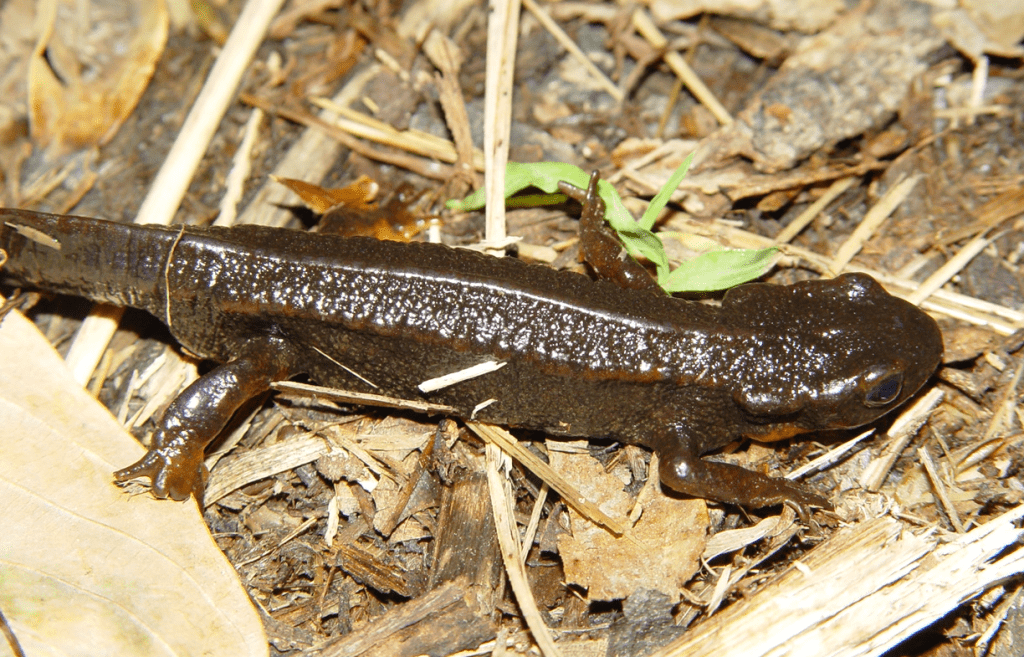
Most studies claiming a sixth mass extinction have extrapolated past extinction rates forward into the future. A fundamental problem with this extrapolation concerns the geographic pattern of recent extinctions. Approximately 75 percent of documented species extinctions over the past five centuries occurred on islands, despite islands hosting only about 20 percent of global biodiversity.
Island species are especially vulnerable to extinction due to small population sizes, restricted geographic ranges, and heightened sensitivity to invasive species introduced by humans (among other things). Rats, cats, pigs, and other non-native animals have devastated island ecosystems, leading to the disappearance of hundreds of endemic birds, reptiles, snails, plants, and other organisms.
While these losses of islands species are tragic, Wiens and Saban argue that they cannot be simply extrapolated to predict extinction patterns on continents, where most species occur. Today, habitat destruction and climate change dominate extinction risk on the mainland, rather than invasive species. Projecting island extinction trends onto global biodiversity may therefore dramatically overestimate future species loss.
Another problem is that more than 50% of all species that have been assessed by conservation biologists have been considered to be of “least concern” for future extinction. This raises the question: if 75% of species are supposedly going to go extinct in the future, what exactly will cause the extinction of the thousands (or millions) of species that are not presently considered to be threatened with extinction? Papers on the sixth mass extinction have not addressed what will cause these future extinctions. But without these future extinctions of non-threatened species, the 75% criterion will not be reached.
Climate change and future biodiversity loss
Climate change is widely regarded as one of the greatest threats to global biodiversity. Rising temperatures, shifting rainfall patterns, and extreme weather events are already impacting ecosystems worldwide. Numerous studies predict substantial species declines under continued warming.
Yet even under pessimistic climate scenarios, involving temperature increases of around 4 degrees Celsius, projected extinction levels typically reach to only 20 to 30 percent over the next century. Although catastrophic, these projected species losses still fall well short of the 75% mass extinction threshold.
The study also cautions against assuming that past environmental pressures will persist unchanged for centuries into the future. Climate mitigation policies, human demographic shifts, and ongoing conservation efforts may significantly alter future extinction trajectories. Long-term projections based solely on trends over the preceding 500 years may be very wrong.
Conservation success stories often go unnoticed
An important dimension missing from many extinction narratives is the impact of conservation interventions. Protected areas, habitat restoration, species reintroductions, and legal protections have demonstrably reduced extinction risks for numerous species.
Large-scale analyses reveal that conservation spending and policy reforms have prevented many bird and mammal extinctions that would otherwise have occurred. These successes demonstrate that biodiversity loss is not an unstoppable force, but a crisis that can be mitigated through evidence-based action.
There is also another problem.
“Stopping the sixth mass extinction is actually a very weak and unambitious conservation goal. Given that less than 1% of Earth’s species are documented to have gone extinct in the last 500 years, stopping 75% species loss over hundreds or thousands of years should be easy. Instead, we need to take more urgent action and set more ambitious conservation goals, such as immediately trying to prevent all future extinctions.”
-John J. Wiens

A more nuanced view of the biodiversity crisis
The study does not deny that Earth is undergoing a severe biodiversity crisis. However, the authors argue that proponents of the sixth mass extinction have not explained how the loss of less than 1% of Earth’s species over the last 500 years will become 75% species loss in the future, without identifying a specific threat or cause. The authors suggest that any claims of a sixth mass extinction must show that the current extinction crisis is comparable to the five largest extinction crises in the fossil record. Claiming a current sixth mass extinction without this evidence, they argue, risks the credibility of both conservation biology and science in general.
Reference
Wiens, J. J., & Saban, K. E. (2025). Questioning the sixth mass extinction. Trends in Ecology and Evolution 40:375–384. https://doi.org/10.1016/j.tree.2025.01.002