Artificial Intelligence promises speed and precision during future conflicts, yet U.S. military Cadets have reservations about the adoption of emerging capabilities. Why do future U.S. military officers prefer human oversight during war?
End of Content.
Get the latest creative news from us about politics, business, sport and travel
End of Content.
Paul Lushenko is a globally recognized expert on emerging technologies and war. Paul’s work lies at the intersection of emerging technologies, politics, and national security, and he also researches the implications of great power competition for regional and global order-building. Paul is the author of three books and has also written extensively on emerging technologies and war, publishing in academic journals, policy journals, and media outlets such as Security Studies, Foreign Affairs, and The Washington Post. His military career has also spanned two decades, including service in special operations and ten combat deployments.
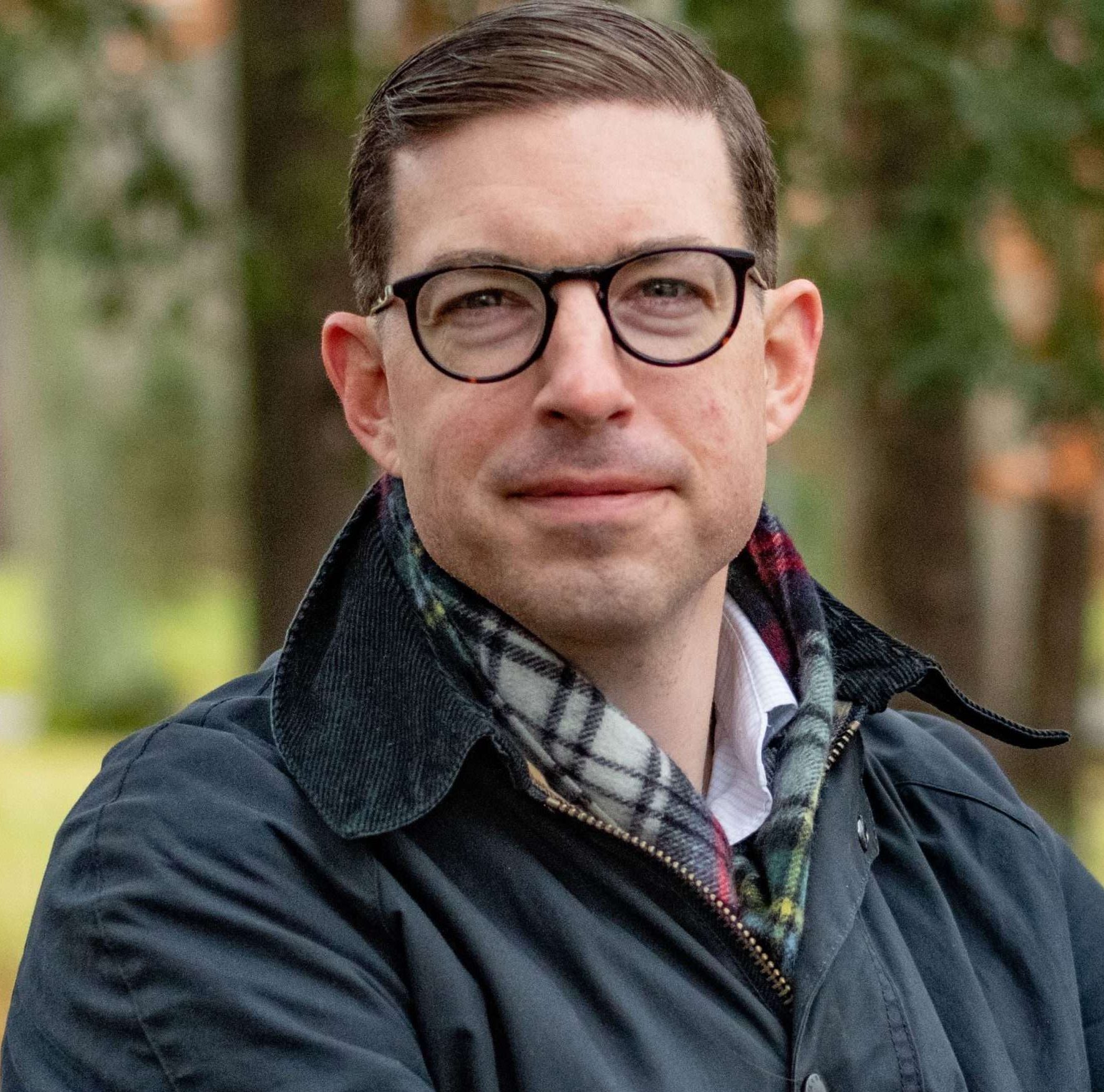
Paul Lushenko is a globally recognized expert on emerging technologies and war. Paul’s work lies at the intersection of emerging technologies, politics, and national security, and he also researches the implications of great power competition for regional and global order-building. Paul is the author of three books and has also written extensively on emerging technologies and war, publishing in academic journals, policy journals, and media outlets such as Security Studies, Foreign Affairs, and The Washington Post. His military career has also spanned two decades, including service in special operations and ten combat deployments.
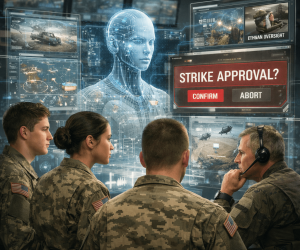
Artificial Intelligence promises speed and precision during future conflicts, yet U.S. military Cadets have reservations about the adoption of emerging capabilities. Why do future U.S. military officers prefer human oversight during war?