In the heart of North Dakota, a quiet but devastating public health crisis has persisted for decades. New research by Dr Melanie Nadeau from the University of North Dakota’s School of Medicine and Health Sciences and coauthors reveals that American Indians die on average 22.5 years earlier than their White counterparts, a gap that predates the COVID-19 pandemic.
Published in Frontiers in Public Health, the study titled “Premature mortality patterns among American Indians in North Dakota, 2010–2019 (pre-pandemic)” provides one of the clearest statistical pictures of the health inequalities affecting Native communities. It exposes how, despite improvements in overall state mortality rates, premature deaths among American Indians remain alarmingly high.
A crisis before the pandemic began
The researchers examined death certificate data from 2010 to 2019, analysing over 3,300 American Indian deaths and 57,700 White deaths recorded by the North Dakota Department of Health and Human Services. The findings paint a stark picture of inequality.
For American Indian men, the median age of death was 55 years, compared with 77 years for White men. For women, the median age was 62 years, compared with 85 years for White women. This indicates a severe life expectancy gap that spans generations.
Such disparities existed long before COVID-19 exacerbated health inequalities. As the authors note, these figures represent a “pre-pandemic baseline”, evidence that Indigenous communities were already battling entrenched public health disadvantages well before the crisis that reshaped global health systems.
Leading causes of premature death
The study identified heart disease, cancer, and accidental injuries as the three leading causes of death among American Indians, collectively accounting for more than 55 percent of all deaths in the community.
Heart disease was responsible for 21.7 percent of deaths, cancer for 18.5 percent, and accidents for 15.2 percent. By contrast, the leading causes among White residents were heart disease (27.1 per cent), cancer (25.9 per cent), and Alzheimer’s disease (9.1 per cent).
When the data were broken down further, the differences became even more striking. American Indians experienced significantly higher age-specific mortality rates for almost every cause of death examined. Some of the disparities reached staggering levels, for example, mortality from septicemia was up to 38 times higher, and influenza and pneumonia up to 15 times higher among American Indians compared to White residents.
Alarming trends in suicide and homicide
The researchers also highlighted a disturbing pattern in mental and social health. Suicide and homicide rates among American Indians were several times higher than those of the White population, particularly among young people.
Between 2010 and 2019, suicide rates among American Indian females aged 5 to 14 were 15 times higher than White females, while males aged 15 to 24 faced three times the risk. Homicide rates were also elevated, with women aged 25 to 34 facing 18 times higher risk, and men in the same age bracket facing 17 times higher risk.
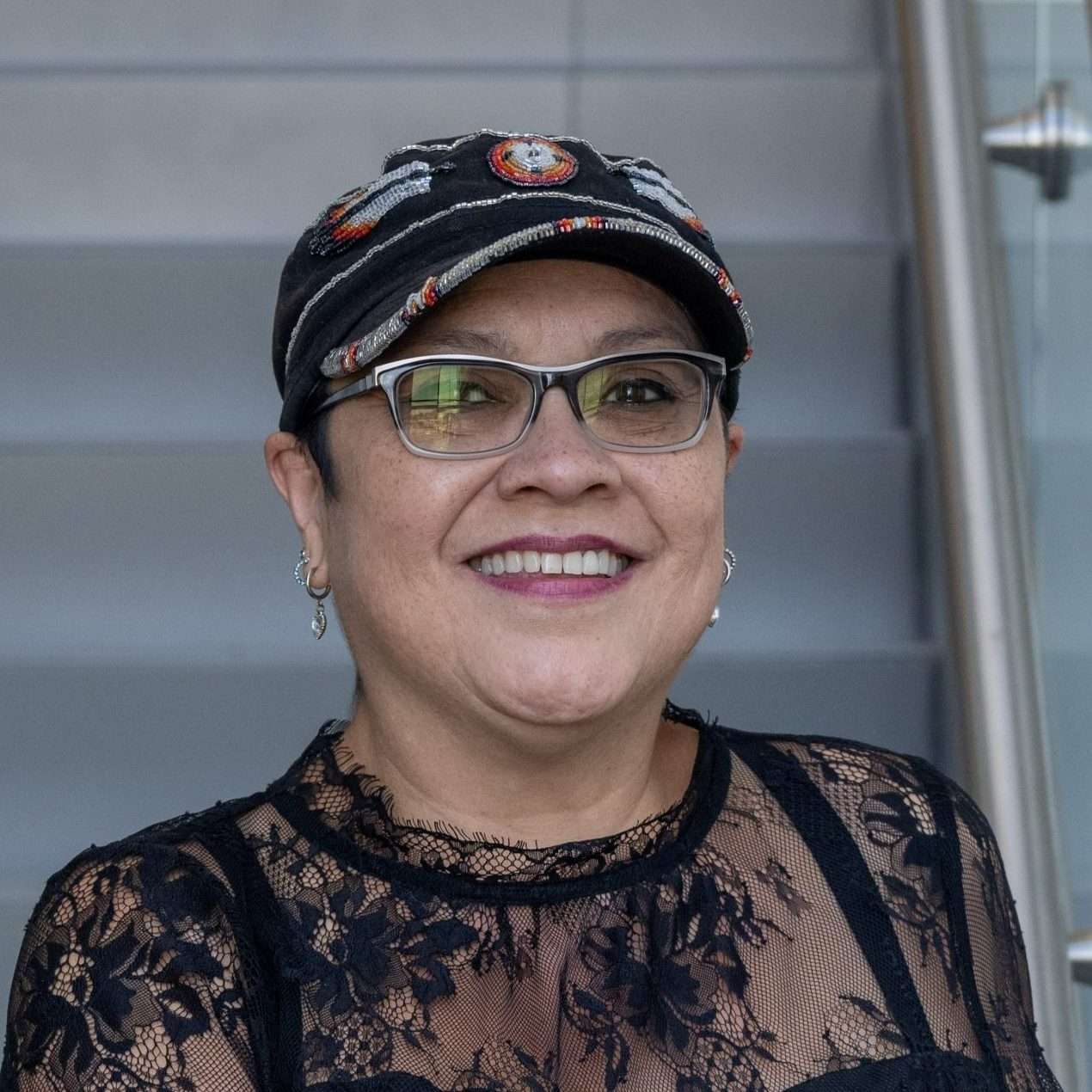
Our North Dakota study reveals stark premature mortality: American Indians in North Dakota die 22.5 years younger on average compared to White residents. These findings underscore the critical need for urgent multisectoral action, improved policies, and culturally safe healthcare.
-Melanie Nadeau
Beyond disease: The burden of social determinants
The study moves beyond biomedical explanations to emphasise the role of social determinants of health, the environmental and economic factors that influence wellbeing.
According to Healthy People 2030, these determinants include access to healthcare, education, economic stability, and safe community environments. For American Indians in North Dakota, the disparities are profound. Less than 72 per cent of American Indians in the state have health insurance, compared to 94 per cent of White residents. Poverty rates among American Indians reach 31 per cent, nearly three times the state average.
Most American Indians in North Dakota live in rural or reservation settings, where healthcare infrastructure is limited and access to services is inconsistent. Counties such as Sioux, Rolette, and Benson, home to reservations like Standing Rock, Turtle Mountain, and Spirit Lake, record the highest poverty levels in the state. These structural inequities directly influence life expectancy, amplifying the risk of early mortality.
Cultural humility and data justice
The authors also identify a less visible barrier to health equity: data misclassification. In the United States, race and ethnicity are often misreported on death certificates, leading to an underestimation of American Indian mortality rates. When adjusted for these errors, the true extent of the disparities becomes even greater.
Dr Nadeau and coauthors argue that improving data accuracy is essential for designing equitable health policies. They call for “multisectoral efforts” involving Tribal governments, public health institutions, and the Indian Health Service to ensure that data collection reflects Indigenous identities accurately and respectfully.
Equally important is cultural humility, an approach that acknowledges historical trauma, respects Indigenous sovereignty, and integrates cultural perspectives into healthcare delivery. The study cites the Substance Abuse and Mental Health Services Administration’s guidelines, which emphasise the importance of trauma-informed, community-centred approaches for American Indian and Alaska Native populations.
A national pattern of inequality
While this research focuses on North Dakota, the findings echo a broader national crisis. Across the United States, American Indian and Alaska Native populations face the highest premature mortality rates of any racial or ethnic group.
According to the Centers for Disease Control and Prevention, life expectancy among these populations dropped sharply during the pandemic, falling to 65.2 years in 2021, roughly equivalent to that of the total US population in 1944. This represents a 6.6-year decline since 2019, underscoring the vulnerability of communities already facing long-standing inequities.
Previous projections published in The Lancet Public Health suggest that premature deaths among American Indians and Alaska Natives are expected to continue increasing through 2030, despite national advances in healthcare.
A call for change
The authors argue that addressing these disparities demands a coordinated, community-led response involving policymakers, healthcare professionals, academic institutions, and Tribal leadership. They advocate for investment in education, prevention, and culturally safe care that acknowledges Indigenous knowledge systems.
Crucially, the authors call for reforms in the way the United States documents and reports racial health data. Without accurate numbers, the scale of inequity remains hidden, limiting the ability to design effective interventions.
As the study concludes, “solutions should centre American Indian voices, cultures and spaces.” That means policies crafted with, not just for, Indigenous communities.
Reference
Nadeau, M., Steele, J. S., Lyon-Colbert, A., Kelliher, A., Barnett, J., Begay, A., & Warne, D. (2025). Premature mortality patterns among American Indians in North Dakota, 2010–2019 (pre-pandemic). Frontiers in Public Health, 13, 1395399. https://doi.org/10.3389/fpubh.2025.1395399