March 9, 2026
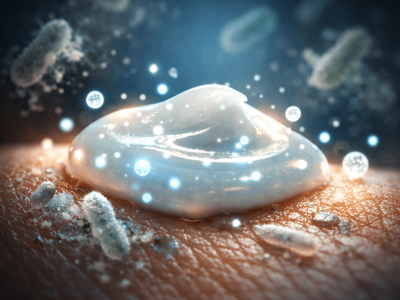
Can inorganic nanomaterials truly revolutionize the treatment of wounds and burns, accelerating their healing in a safer and more effective way?
Can inorganic nanomaterials truly revolutionize the treatment of wounds and burns, accelerating their healing in a safer and more effective way?
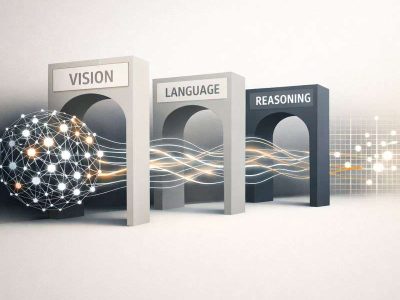
Can static tests still capture intelligence when AI systems rapidly adapt and match/exceed human baselines on some benchmarks?
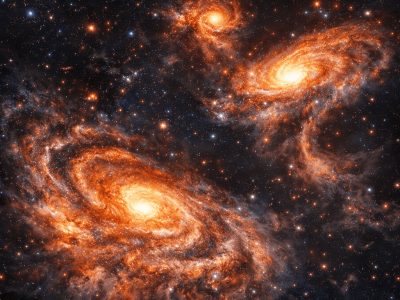
During cosmic noon, galaxies burned fuel at extreme rates, but what physical laws controlled this intense burst of growth?
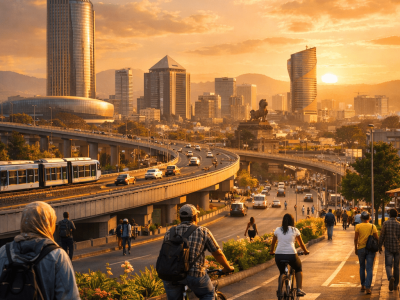
Can redesigned urban corridors really cut congestion and pollution while improving daily commuting for millions of city residents across Africa?
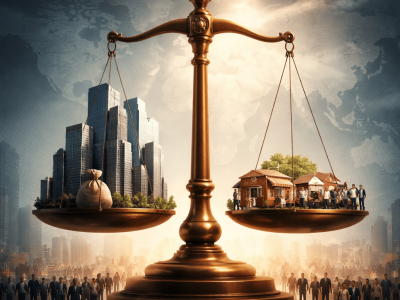
Why do fairness and global competition arguments shift how Americans view antitrust policy and corporate power in the United States?
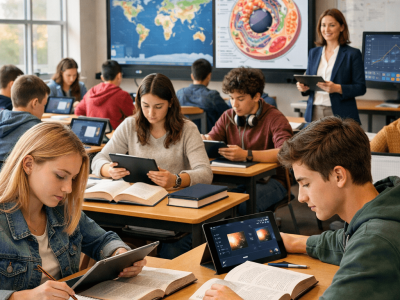
Digital tools boost vocabulary fast, but can they teach grammar and academic writing as effectively as structured classroom instruction?
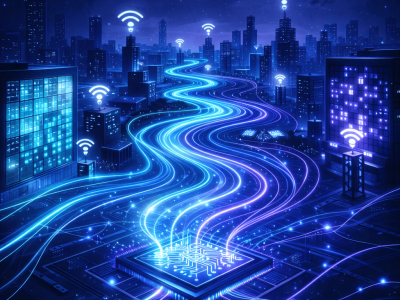
What if walls and streets could actively guide wireless signals and reduce dropped calls in crowded urban spaces?
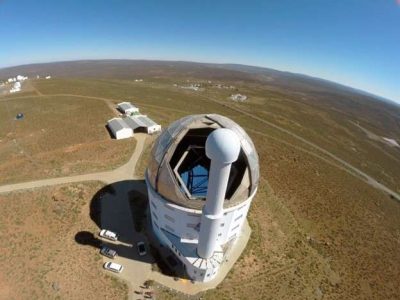
How did a library help scientists map the southern sky and shape global astronomy long before the digital age?
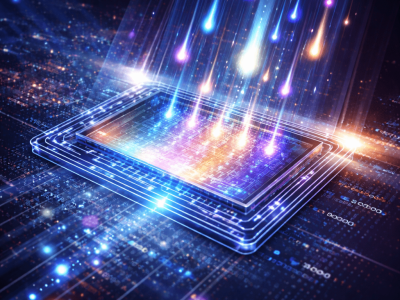
Could overlooked detector noise be shaping the limits of photon counting and astronomical discovery?

Can AI-powered empathy help patients stay in online therapy longer and improve outcomes? A new trial reveals surprising behavioural effects in depression treatment.



Rethinking mobility in modern cities: If compact living cuts daily travel, why do city residents still fly so often,...
Can AI give feedback that truly supports a student's mind, or is human recognition still the missing ingredient?
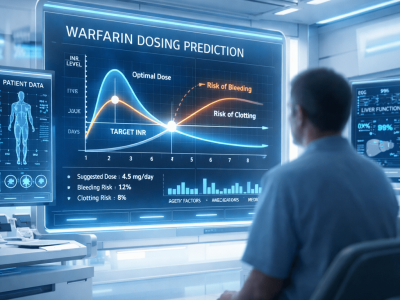
Can personalised AI dosing prevent dangerous bleeding events and make warfarin therapy safer for millions?