August 25, 2025
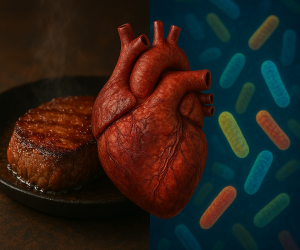
Why do some people face higher heart risks from red meat? A new discovery links microbes, red meat, and heart disease risk.
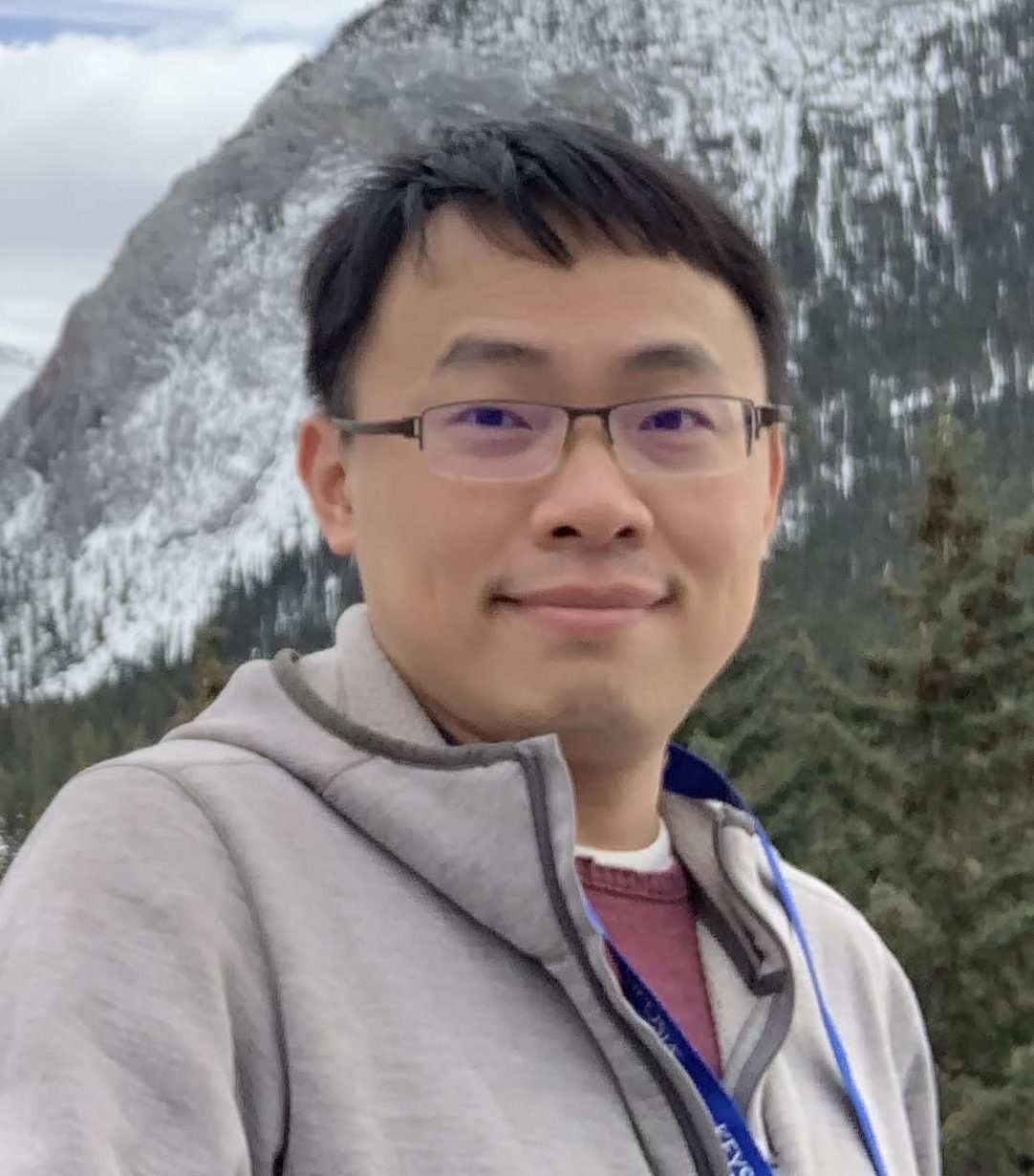
Dr. Wei-Kai Wu is a physician-scientist affiliated with the Department of Medical Research at National Taiwan University Hospital and the Bachelor Program of Biotechnology and Food Nutrition at National Taiwan University. He leads the WKW Lab, which focuses on gut microbiota, nutrition, and next-generation probiotics.
His pioneering research on trimethylamine N-oxide (TMAO) metabolism and microbial biomarkers has advanced the fields of precision nutrition and cardiometabolic health. In addition, Dr. Wu is actively engaged in translational microbiome research on fatty liver disease and cancer, as well as the development of microbiome-based therapeutics.
Why do some people face higher heart risks from red meat? A new discovery links microbes, red meat, and heart disease risk.