
December 31, 2025
How does China’s approach to artificial intelligence reveal the hidden role of state authority culture and history in shaping machine learning?
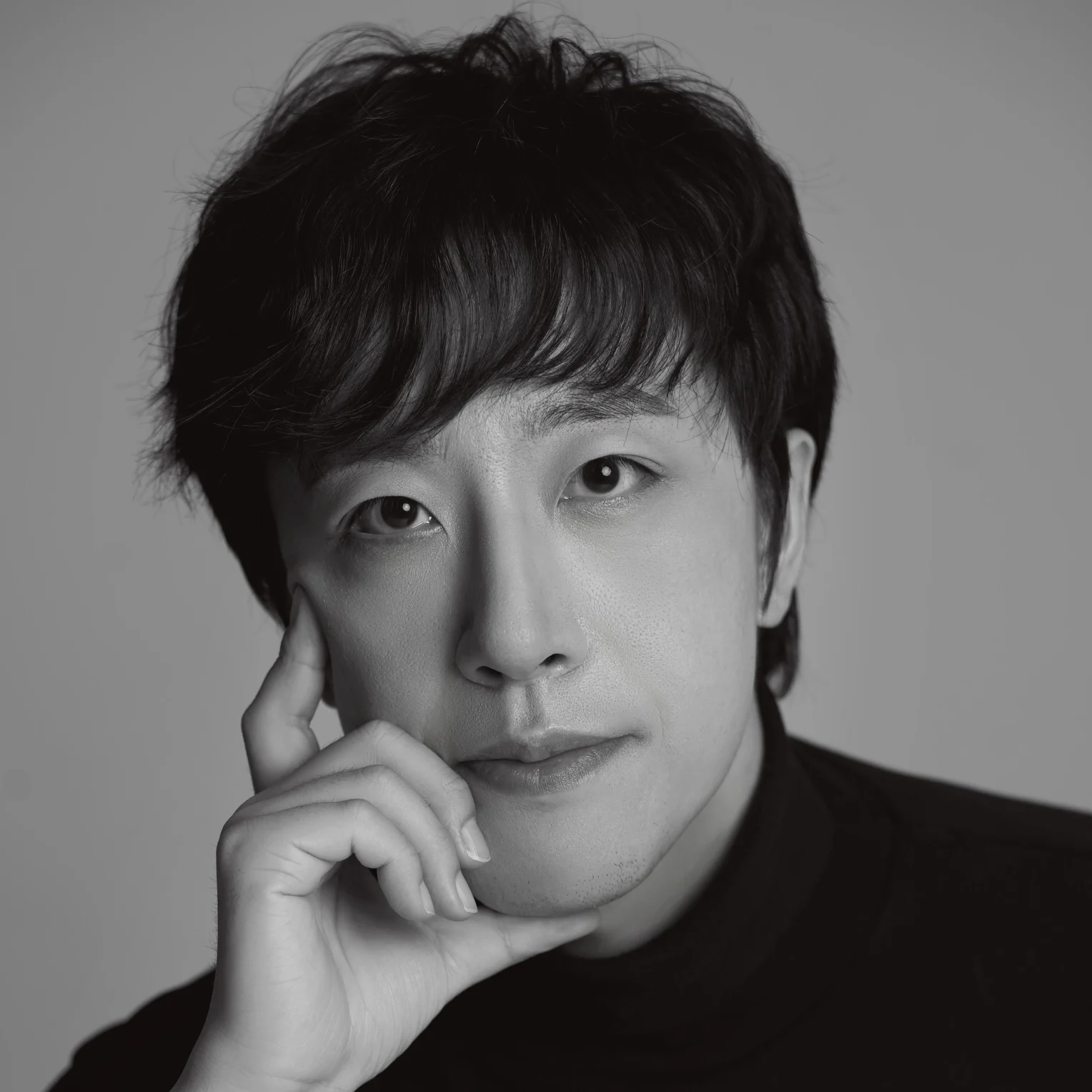
Qiaoyu Cai is an interdisciplinary researcher working at the intersections of philosophy and history of computation, technology and geopolitics, critical media studies, global science fiction studies, and digital humanities. His current research focuses on the interconnected themes of modernity, sovereignty, and technology in the contemporary era of planetary-scale computation. He is a TIAS (Tsinghua Institue for Advanced Study in Humanities and Social Sciences) Society of Fellow at Tsinghua University. He received his PhD in English from the University of California, Santa Barbara.
How does China’s approach to artificial intelligence reveal the hidden role of state authority culture and history in shaping machine learning?