

Nanotechnology has witnessed remarkable development in recent decades, with a clear impact on the medical field, particularly in the treatment of wounds and burns. Among the promising applications in this area is the preparation of topical ointments based on inorganic nanomaterials, such as metal oxide nanoparticles (ZnO, TiO₂, SiO₂, and others), which have demonstrated distinct therapeutic properties compared to traditional preparations.
Inorganic nanomaterials possess unique physical and chemical properties resulting from their small particle size and large surface area, enabling them to interact effectively with infected tissues. For example, some of these materials exhibit antibacterial and antifungal activity, which is important in preventing microbial contamination that can hinder wound healing and increase the risk of complications.
Our research team at the University of Babylon, College of Science, Department of Chemistry, prepared a topical medical ointment from nanomaterials that is highly effective against various types of bacteria that cause infections of wounds and burns. This product, which was invented by the team, represents a qualitative leap in this field.
What protocols are used in the preparation of nanomedicine ointments?
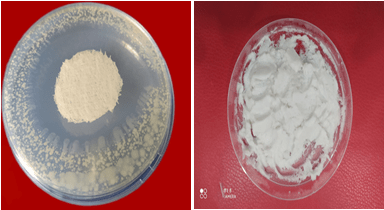
The concept behind preparing these ointments is to incorporate nanoparticles into a medically suitable ointment base, ensuring the stability of the active ingredient and facilitating easy application to the skin. These particles are often manufactured using methods such as sol-gel, chemical precipitation, or thermal processes to achieve a homogeneous particle size and enhanced therapeutic properties.
Our research team adopted the solution-gel method for preparation due to the high purity of the resulting product, despite the high cost of some necessary precursors. Zinc oxide and silica were used to prepare the nanomaterial for the production of the nanomedicine ointment.
How was the effectiveness of the nano-ointment against wound and burn infections examined?
The effectiveness of inorganic nano-ointments in treating wound and burn infections was examined through a series of laboratory and biological tests aimed at evaluating their antimicrobial properties, their ability to accelerate tissue healing, and their biosafety. Several techniques were used to study the structural nature of the prepared nanomaterial, including electron microscopy, X-ray diffraction and scattering, surface area measurement, and physical, chemical, and biological studies, to ensure a comprehensive understanding of the ointment’s mechanism of action and therapeutic efficacy. These measurements help explain the relationship between the nanomaterial’s properties and its therapeutic effectiveness.
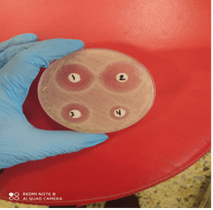
The antimicrobial activity was assessed using several laboratory tests, including the Agar Diffusion Test and determination of the minimum inhibitory concentration (MIC). These tests aim to measure the ability of the nanoparticles in the ointment to inhibit the growth of bacteria or fungi commonly associated with wound and burn infections, such as Staphylococcus or Pseudomonas aeruginosa.
Verifying the practical application of inorganic nano-ointments for treating wounds and burns
This phase includes evaluating the toxic effects of the nano-ointment on cells using skin cell models, with a monkey skin cell model closest to human skin cells. Cell viability, the likelihood of cell damage or oxidative stress, and the cells’ inflammatory response were measured. These tests help determine safe concentrations of nanomaterials before moving to the clinical application phase.
After initial safety is established, controlled clinical trials are conducted to evaluate efficacy and safety in patients. Cytotoxicity and skin-sensitivity tests are conducted to ensure that no unwanted side effects occur, especially given the potential for nanoparticles to penetrate the skin. Based on these integrated tests, the effectiveness of inorganic nano-ointments in reducing inflammation and accelerating wound and burn healing can be determined while ensuring an appropriate level of biosafety, a crucial step before their adoption for broad medical applications.
These trials include monitoring clinical improvement, tracking any side effects, and determining the optimal dosage and conditions of use. Stability tests are also conducted to ensure the ointment remains effective and safe during storage.
Why resort to providing alternatives to ointments available in the markets?
The development of new alternatives to commercially available topical ointments has been driven by several scientific and medical challenges related to their efficacy and safety, as well as by continuous advancements in pharmaceutical materials and applications. This has led us to seek more effective therapeutic formulations, particularly for treating wounds, burns, and skin infections.
Many traditional ointments rely on active ingredients that may not provide a rapid or sufficient therapeutic response in some cases, especially in chronic wounds or severe burns. Furthermore, the limited ability of some compounds to penetrate the affected tissues can restrict their effectiveness. In contrast, ointments prepared from nanomaterials, due to their small crystal size and high surface area, facilitate penetration into the skin.
The growing resistance of bacteria to topically applied antibiotics has been a significant challenge, as some ointments have become less effective at controlling infections. This is one of the main reasons we sought to develop alternatives to market-available ointments with less effective antimicrobial properties than those prepared using inorganic nanomaterials (ZnO and SiO2).
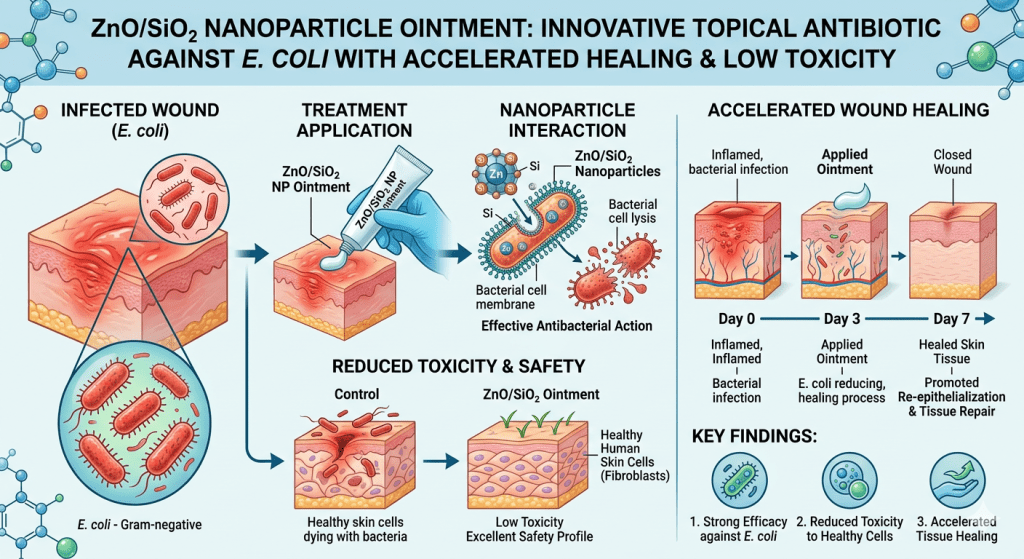
The need to improve the speed of wound healing
Some traditional ointments may cause irritation or allergic reactions in some patients, especially with long-term use. Therefore, we strive to develop more biocompatible formulations with fewer side effects. Similarly, some medical conditions require preparations that can accelerate tissue regeneration and reduce inflammation more effectively, leading to the exploration of new materials, such as nanoparticles, that may enhance the healing process.
Advances in nanotechnology have enabled the development of ointments with improved properties, such as antimicrobial activity, increased stability, and enhanced delivery of the active ingredient to the site of injury. The idea of searching for alternatives to traditional topical medical ointments arose from a medical and scientific need to improve therapeutic effectiveness, reduce side effects, and combat microbial resistance, as well as to take advantage of modern developments in materials science, which open new horizons for developing more efficient and safer therapeutic preparations.
Conclusions
Despite these promising advantages, it remains essential to assess the safety and potential toxic effects of nanomaterials, as their small size may allow them to penetrate the skin in ways different from traditional materials. Therefore, current research focuses on achieving a balance between therapeutic efficacy and biosafety.
In conclusion, the preparation of topical medical ointments from inorganic nanomaterials represents an advanced research trend that may contribute in the future to the development of more effective treatments for wounds and burns, especially with the continuation of studies aimed at improving the properties of these materials and ensuring their safety, thus opening new horizons in nanomedicine and topical treatment.
Reference
Ali, Marwa M., Ferdoos Sami, and Hiyam Adnan Ali. “Unveiling The Innovative Applications of Nano-binary Oxide ZnO/SiO2 Antibiotics Medical Ointment Apply on Wound Dressings.” Journal of Nanostructures 16.1 (2026): 45-53. https://doi.org/10.22052/JNS.2026.01.005
Rokni, H. R., Zarei, A., & Taghavi, M. (2024). Health risk assessment of benzoic acid intake through consumption of creamy cakes in Gonabad, Iran. Journal of Food Composition and Analysis, 132, 106339. https://doi.org/10.1016/j.jfca.2024.106339
Ali, Marwa, A. Abbas, and Ali Drea. “Green synthesis of nano binary oxide SiO2/V2O5 NPs integrated ointment cream application on wound dressings and skin cancer cells.” Baghdad Science Journal 20.3 (2023): 0734-0734. https://doi.org/10.21123/bsj.2022.7318
Ifeanyichukwu, U. L., Fayemi, O. E., & Ateba, C. N. (2020). Green synthesis of zinc oxide nanoparticles from pomegranate (Punica granatum) extracts and characterization of their antibacterial activity. Molecules, 25(19), 4521. https://doi.org/10.3390/molecules25194521